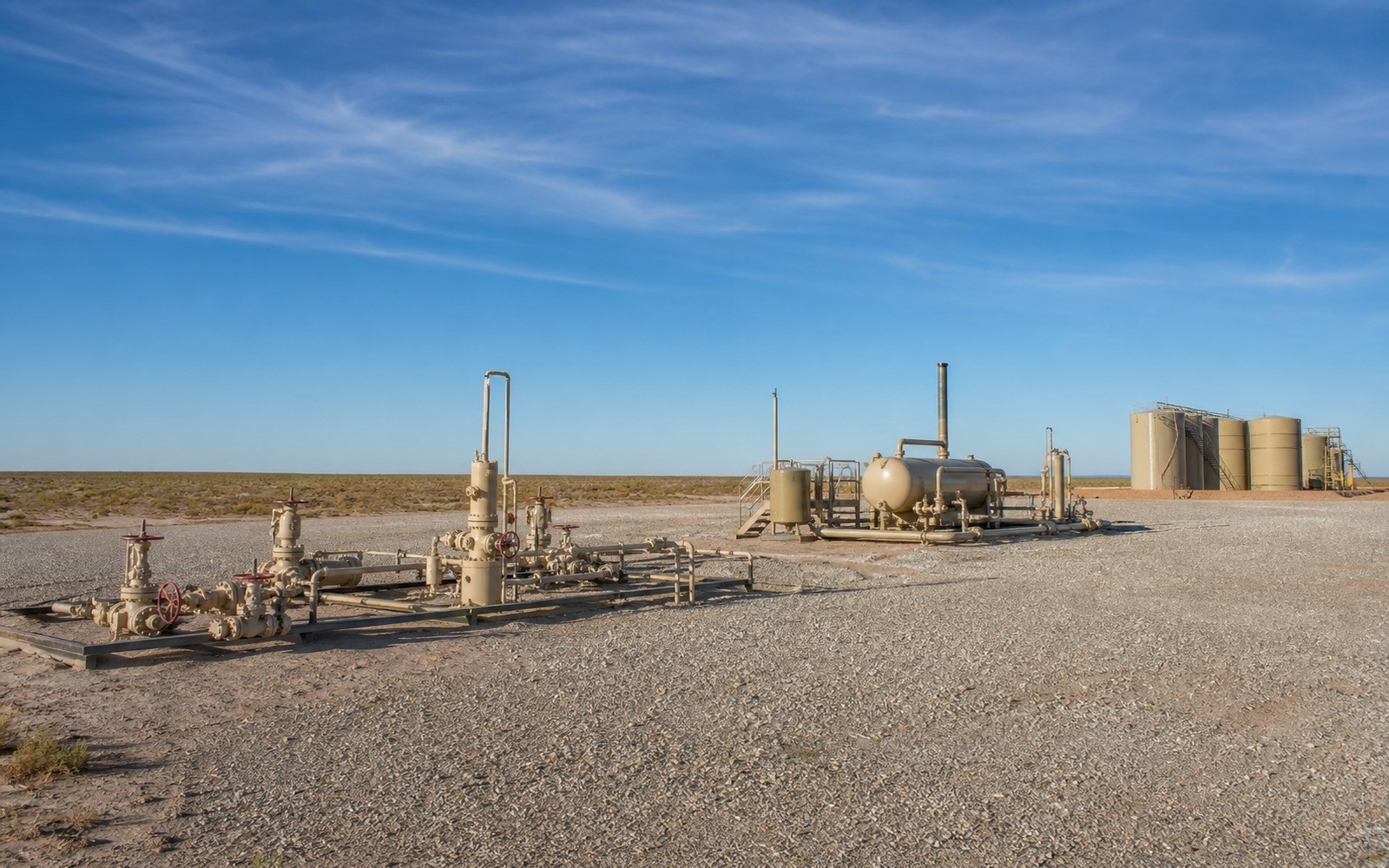
Barnett Shale Mineral Rights
The Barnett proved horizontal shale gas could work, and now it's a mature, gas-price-sensitive play where the buyer checklist is about decline stage, not drilling upside.
The Barnett Shale under Fort Worth and the surrounding counties of Tarrant, Johnson, Wise, Parker, and Denton was the play that established modern shale gas drilling, starting in earnest in the early 2000s. Most of that development happened fifteen to twenty years ago, so the wells still producing here are well into their decline curves, and new drilling has slowed to a trickle compared to the peak. That maturity shapes who buys minerals here and how they price them.
Because this is a gas play, not oil, pricing tracks Henry Hub and regional basis differentials closely, and a buyer's offer should reflect that directly rather than treating gas royalties like oil royalties with a different label.
Why Gas Price Sensitivity Matters More Here Than in Oil Basins
A Barnett royalty check moves with natural gas prices in a way an oil-weighted Permian check doesn't move with oil prices as tightly, because Barnett wells are almost entirely gas with limited associated liquids. Buyers who understand this basin will ask about your trailing production across multiple gas-price cycles rather than the most recent quarter alone, since a single low-price quarter can make an otherwise steady well look worse than it is.
If a buyer's offer is based on one recent low month of gas checks, push back and ask them to model a longer trailing window.
Mature Decline Changes the Math
Wells this far into their life cycle behave predictably: shallow, slow decline with limited surprises either direction. That predictability is actually a selling point for buyers who want stable cash flow without drilling risk, which is a different pitch than what you'll hear in an active play. A legitimate Barnett buyer should be comfortable showing you a flattened decline curve and explaining why they're comfortable with it, rather than promising upside that a mature gas play in urban Tarrant County isn't going to deliver.
Urban Drilling Adds a Layer Most Basins Don't Have
Because so much Barnett production sits under and around the Fort Worth metro, some interests are affected by city drilling ordinances, setback rules, and urban gas well spacing that don't apply in rural basins. If your tract is inside city limits, ask a buyer whether they've accounted for any local ordinance history affecting that specific well or unit, since it can affect both current production and any remaining development potential.
Why Many Barnett Owners Hold Fractional, Pooled Interests
Because much of the Fort Worth metro area was pooled into large horizontal drilling units during the play's buildout, many mineral owners here hold small fractional interests spread across sizable acreage, sometimes inherited from a parent or grandparent who owned a single suburban lot decades before the drilling began. That history matters for pricing, since fractional interests in a large pooled unit are valued differently than a whole interest in a smaller, discrete tract.
Ask a buyer to confirm the exact decimal interest they're pricing against your division order, and don't assume a per-acre figure quoted casually accounts for your actual pooled percentage.
Questions to Put Back to the Buyer
Is the Barnett Shale still producing meaningful gas?
Yes, though at a fraction of its peak. Thousands of wells across Tarrant, Johnson, Wise, and Denton counties continue producing in a mature, slow decline, which is different from the play being finished.
Why does my Barnett royalty check fluctuate so much?
Because Barnett production is almost entirely natural gas, your check tracks Henry Hub and regional gas price swings closely, so a low-price month can look worse on paper than the underlying well performance actually is.
Will Barnett minerals ever see new horizontal drilling again?
New drilling has slowed sharply since the play's peak, and most current activity is limited maintenance or refracturing rather than new development, so pricing should reflect stable, mature production rather than growth.
Does it matter if my Barnett well is inside Fort Worth city limits?
It can. Urban wells are sometimes subject to local drilling ordinances and setback history that a buyer should factor into how they price remaining development potential on your tract.
Why is my Barnett interest such a small fractional decimal?
Large pooled horizontal units across the Fort Worth metro often combine many small suburban and rural tracts, so individual owners frequently hold a small fractional decimal interest rather than a whole interest in a discrete parcel.
Is it worth consolidating several small Barnett interests before selling?
Often yes. If you've accumulated fractional interests across multiple pooled units through inheritance or gift, a buyer experienced with this basin can typically evaluate and close on them together, which simplifies the process compared to negotiating each interest separately.
What's a reasonable timeline for closing a Barnett mineral sale?
Given the mature, stable nature of this basin, there's rarely urgency on either side, so a buyer pushing for an unusually fast close on a straightforward, well-documented interest is worth a closer look before you sign.
Related buyer guides
Want this buyer question read against your own deed, statements, or offer?
Tell us where the interest is, whether it is producing, which operator or wells appear on the statements, what documents you have, and whether an offer is already on the table.