Smackover Formation Mineral Rights
Old Smackover oil production is one story, and the newer lithium-brine interest in the same formation is a completely different one, priced by different buyers.
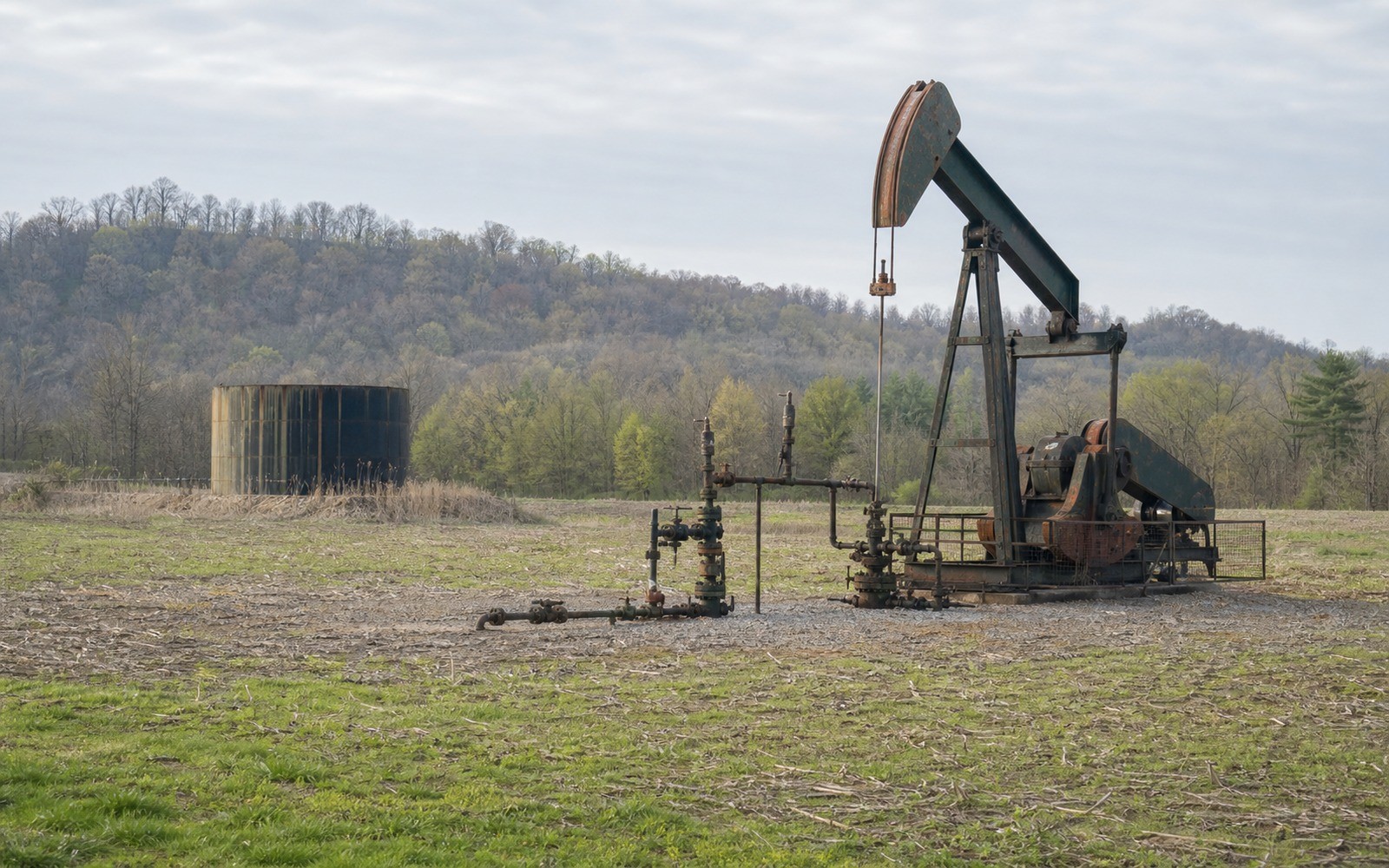
The Smackover Formation, a Jurassic-age carbonate stretching across south Arkansas and north Louisiana, has produced conventional oil since the 1920s, making it one of the older continuously producing formations covered on this list. Legacy fields around towns like El Dorado and Smackover, Arkansas, and into Union and Columbia parishes in Louisiana, still hold long-lived stripper wells and secondary recovery projects run by smaller independent operators.
More recently, this same formation has drawn a very different kind of attention: its saline brine carries lithium and bromine concentrations that have attracted large-scale extraction projects, including ExxonMobil's Arkansas lithium development. That's created two genuinely different value conversations for mineral owners in this formation, and it matters which one applies to your interest.
Legacy Oil Production Prices Like Any Mature Conventional Play
If your interest sits under long-established conventional Smackover oil production, treat it like any mature stripper-well asset: pricing should reflect slow, well-documented decline and current oil prices, not speculative upside. Buyers active in this segment tend to be small regional operators or funds familiar with Arkansas and Louisiana conventional production, and offers should reference your specific well's actual history.
Brine-Lithium Rights Are a Newer, Separate Question
Whether your mineral or royalty interest includes rights to lithium and other minerals extracted from produced brine, as opposed to only oil and gas, depends heavily on the specific language in your deed and any existing leases. This is genuinely unsettled ground in some cases, and a buyer or lessor pursuing brine-mineral rights should be able to explain clearly how they're interpreting your specific deed language, not assume brine rights automatically follow oil and gas rights.
Given how new and high-profile this development is, get more than one opinion, ideally including your own legal review, before agreeing to lease or sell any interest specifically tied to brine minerals.
Vetting Checklist Across Both Conversations
For legacy oil interests, confirm well history through the Arkansas Oil and Gas Commission or Louisiana Department of Energy and Natural Resources depending on location. For anything touching brine-mineral or lithium rights, insist on clarity about which specific rights are being purchased or leased and how that's supported by your deed language, and don't let general excitement about lithium development substitute for a buyer actually reading your title.
Bromine Production Adds a Third Category
Beyond oil and the newer lithium interest, portions of the Smackover brine have long supported commercial bromine extraction, particularly in south Arkansas, run by established chemical companies rather than typical oil and gas operators. If your interest touches an area with bromine production, treat it as its own category with its own royalty structure and history, distinct from both conventional oil royalties and the emerging lithium conversation.
A buyer unfamiliar with bromine's long operating history in this formation may not price that portion of your interest accurately, so ask directly whether they understand how bromine royalties have historically been structured in your specific county.
Why Patience Pays With Lithium-Adjacent Offers
Given how new and evolving large-scale lithium extraction is in this formation, pricing for brine-mineral rights is still being established through early transactions rather than a mature comp set. An unusually aggressive early offer isn't necessarily wrong, but it deserves extra scrutiny, and getting your own legal read on what your deed actually conveys is worth the time before committing to anything tied to this emerging value stream.
Questions to Put Back to the Buyer
Is the Smackover Formation still producing oil?
Yes, primarily through long-lived stripper wells and some secondary recovery projects run by smaller regional operators across south Arkansas and north Louisiana, reflecting the formation's status as a mature conventional play.
What's the lithium interest in the Smackover about?
The formation's saline brine carries lithium and bromine concentrations that have attracted large-scale extraction projects in Arkansas, creating a separate and newer value conversation distinct from traditional oil and gas production.
Do my mineral rights automatically include brine-lithium rights?
Not necessarily. Whether brine minerals are included depends on your specific deed language and any existing lease terms, so this should be reviewed carefully rather than assumed, ideally with your own legal review before signing anything.
How do I verify legacy Smackover well data?
The Arkansas Oil and Gas Commission and the Louisiana Department of Energy and Natural Resources both maintain well and production records depending on which side of the state line your interest sits on.
What about bromine production in the Smackover?
Parts of south Arkansas have long supported commercial bromine extraction from Smackover brine, run by established chemical companies with their own royalty structures, which is a distinct category from both conventional oil and the newer lithium interest.
Should I be cautious of an unusually aggressive early lithium offer?
It deserves extra scrutiny. Pricing for brine-mineral rights is still being established through early transactions rather than a mature comp set, so an aggressive number isn't automatically wrong, but your own legal review of what your deed conveys is worth the time first.
Related buyer guides
Want this buyer question read against your own deed, statements, or offer?
Tell us where the interest is, whether it is producing, which operator or wells appear on the statements, what documents you have, and whether an offer is already on the table.