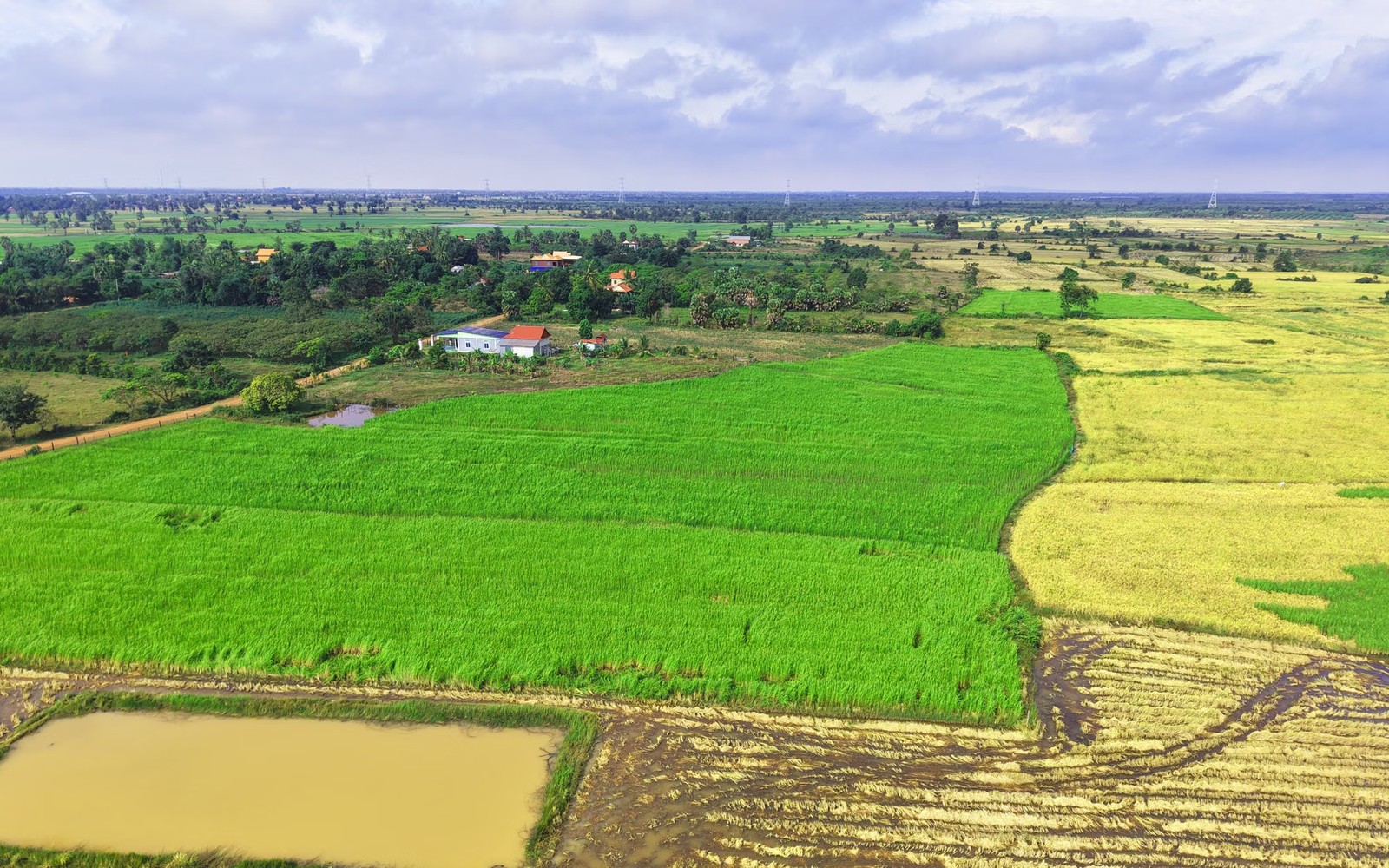
Non-Producing Minerals
No wells on the tract, no royalty history, and possibly a lease that quietly expired years ago without anyone drilling a foot of hole.
Non-producing mineral acreage is the hardest category to price because there is no check history to anchor to, no division order confirming a decimal interest against current production, and often no active lease at all. That does not mean the interest is worthless, only that the buyers who purchase it are pricing pure geologic and positional speculation rather than cash flow, and the vetting questions for that kind of buyer look different from the ones you'd ask about a producing royalty.
What speculative buyers are actually pricing
A buyer purchasing non-producing minerals is making a bet on future leasing and drilling activity, not buying an income stream. Their price is built from where the tract sits relative to the play's core versus its flank, how active permitting and leasing has been in the surrounding township in the past two to three years, which operators hold acreage nearby, and what recent per-acre comps look like for unleased or expired-lease minerals in that county. Formation matters enormously here; a tract sitting over a well-delineated core interval draws real interest, while one on the fringe of a play's known productive limits may draw little at all.
Because there's no production to underwrite, offers on non-producing acreage are typically lower per net mineral acre than on leased or producing tracts, and any buyer implying otherwise without pointing to specific nearby comps should be questioned.
Long-hold funds versus quick-flip mailers
Two buyer types dominate this space. Long-hold speculative funds acquire non-producing minerals across a wide footprint in a play, expecting a meaningful share to eventually lease or get drilled over a multi-year horizon, and they tend to price more carefully because they're holding the risk themselves. Generic mail-offer shops, by contrast, often send a flat low number to every non-producing owner on a courthouse list regardless of the tract's actual position in the play, hoping some owners sell out of convenience without checking comps.
Neither type is inherently wrong to work with, but the second requires more scrutiny, since their number is frequently not grounded in the specific geology of your tract at all.
Questions to ask before accepting a low number
Ask what recent leasing or permitting activity the buyer is aware of within a few miles of your tract, and ask them to name the operators active in the area. Ask how they're treating the expired-lease status if there was a prior lease, since a tract that leased once, even if it never got drilled, tells you something different than one that has never been leased at all. Ask for a comparable per-acre sale from the same county in roughly the past 18 months, since older comps from a more active leasing period can make a current offer look worse than it should by comparison, or better than current conditions actually support.
It is also fair to ask whether the buyer intends to hold or immediately re-flip the interest, since a buyer planning to resell quickly at a markup is signaling that their offer has room, and that room is worth negotiating over.
When holding costs you nothing to wait
Unlike producing property, non-producing minerals typically carry no ongoing cost to the owner beyond occasional property tax in some states, so there is rarely urgency to sell purely to stop a cost from accruing. If the tract sits in a play with growing permitting activity, waiting for a lease to attach before selling, or for a well to be drilled, generally produces a materially better price than selling into the current speculative-only stage. The tradeoff is time and uncertainty, and that tradeoff is worth weighing honestly against whatever is driving the decision to sell now.
Questions to Put Back to the Buyer
Are non-producing minerals worth anything at all?
Yes, but the value is speculative and tied to nearby leasing and permitting activity rather than current income, so prices per acre are typically lower than for producing or leased tracts.
My lease expired with no well drilled. Does that hurt the value?
It can signal the operator passed on the tract, but it isn't necessarily disqualifying, especially if nearby acreage has since drawn new activity. Ask a buyer to explain how they weigh that history.
Why is the offer so much lower than what a neighbor with a producing well got?
Producing interests are priced against actual royalty income and decline curves. Non-producing acreage has no income to underwrite, so the price reflects speculation on future activity instead.
Should I wait to sell until my area sees more drilling?
If there's no cost to holding, waiting for leasing or permitting activity to pick up nearby often improves the eventual price, though it comes with no support of timing.
How do I know if my tract is in the core of a play or on the flank?
Ask a prospective buyer directly, and cross-check against state permitting and production databases for wells drilled in your township and range over the past few years.
Related buyer guides
Want this buyer question read against your own deed, statements, or offer?
Tell us where the interest is, whether it is producing, which operator or wells appear on the statements, what documents you have, and whether an offer is already on the table.