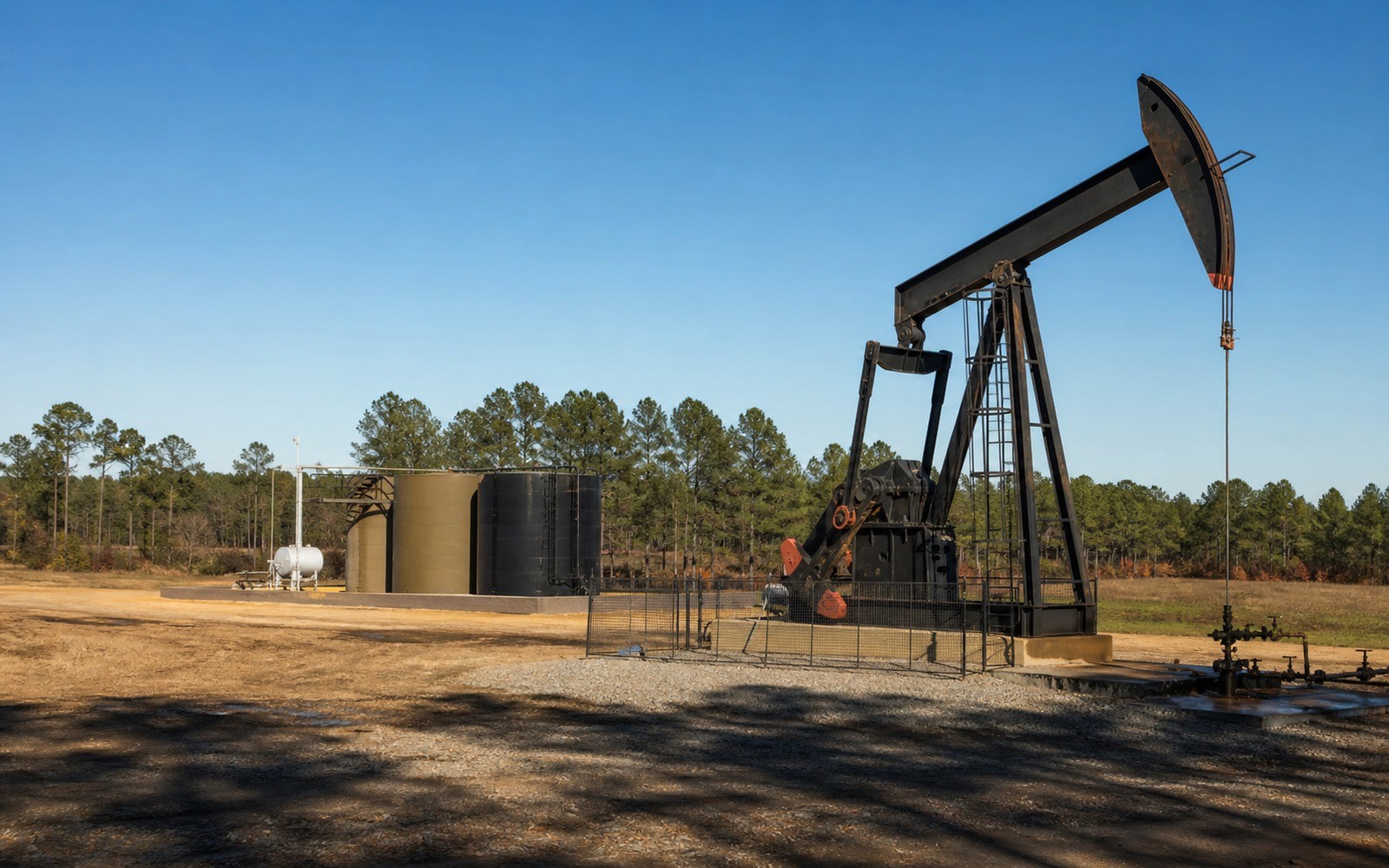
Black Warrior Basin Mineral Rights
Coalbed methane isn't shale gas, and the buyer who understands the difference is worth more of your attention than the one who doesn't.
The Black Warrior Basin in west-central Alabama, centered around Tuscaloosa, Jefferson, and Walker counties, was one of the country's earliest commercially successful coalbed methane plays, producing gas from Pennsylvanian-age coal seams rather than conventional sandstone or shale reservoirs. Development here largely predates the shale boom, and current production is dominated by long-running CBM wells with the flat, dewatering-driven decline pattern typical of coal seam gas.
Because this is a niche formation type in a basin most national buyers don't specialize in, the buyer pool is genuinely small, and vetting starts with confirming the buyer actually understands coalbed methane production, not conventional or shale gas.
Coalbed Methane Prices Differently Than Shale Gas
CBM wells often produce significant water in their early years as the coal seam depressurizes, with gas volumes building over time rather than starting high and declining immediately the way a shale well does. A buyer unfamiliar with this pattern may misread a well's current production trend entirely. Ask any prospective buyer to explain how they're modeling your specific well's dewatering stage, and be wary of anyone applying a generic shale decline curve to coal seam production.
This basin also has legacy vertical wells going back decades, so trailing production history is usually long enough to model with real confidence, which is an advantage if the buyer knows how to use it.
The Buyer Pool Here Is Small and Regional
Don't expect national aggregators competing for your Black Warrior interest the way they might for Permian or Bakken acreage. Buyers active here tend to be regional players, smaller funds with existing Alabama or southeastern coal-adjacent positions, or operators who already hold nearby leases. That's not a reason to accept a weak offer, but it does mean shopping your interest around may take longer and require more direct outreach than in a hotter basin.
What to Confirm Before Selling
Verify current operator of record and well status through the Alabama State Oil and Gas Board, ask for a per-well production history rather than a basin-wide estimate, and confirm whether your interest includes any remaining undeveloped coal seam acreage that could still see infill activity. Given how mature this basin is, most of the value sits in existing production rather than future drilling, so a buyer's offer should be grounded in what the wells are actually doing now.
Older Leases and Assignment History Deserve a Careful Look
Many Black Warrior Basin leases date back to the basin's original CBM buildout in the 1980s and 1990s, and some have changed hands between operators multiple times since through assignments and mergers. Before accepting an offer, ask the buyer to confirm the current operator of record matches what's on file with the state, since outdated lease or assignment information can create confusion at closing.
It's also worth asking whether your specific lease includes any pooling or unitization language from that original era, since older CBM leases sometimes structured payments differently than a standard modern oil and gas lease.
Questions to Put Back to the Buyer
What makes coalbed methane pricing different from shale gas?
CBM wells often need to dewater the coal seam before gas volumes build, so production can rise before it declines, unlike a typical shale well's immediate steep decline. A buyer's model should reflect that specific pattern.
Are there many active buyers for Black Warrior Basin minerals?
Not many compared to larger shale plays. Regional buyers and smaller funds with existing southeastern positions are more common here than national aggregators, so finding multiple offers can take more effort.
Is new drilling happening in the Black Warrior Basin?
New development is limited compared to the basin's earlier CBM buildout. Most current value comes from existing long-running wells rather than fresh drilling, so offers should be grounded in actual production history.
How do I verify well data before accepting an offer?
The Alabama State Oil and Gas Board maintains well records and operator information, which you can use to confirm production history and current operator status before agreeing to a buyer's numbers.
Does it matter that my Black Warrior lease is decades old?
It can. Older leases sometimes carry pooling or payment language different from a modern lease, and many have changed hands between operators through assignments over the years, so confirm current operator of record before finalizing any sale.
What kind of price should I expect for a mature CBM interest here?
Pricing should reflect the flat, well-established decline of long-running coal seam gas production rather than any drilling growth story, and it should be tied directly to your specific well's documented history rather than a general basin estimate.
Is it worth reaching out to more than one Black Warrior buyer?
Yes. Because the pool is small and regional, direct outreach to a few known buyers with existing Alabama positions often produces better offers than waiting for unsolicited interest, given how few active acquirers regularly work this basin.
Related buyer guides
Want this buyer question read against your own deed, statements, or offer?
Tell us where the interest is, whether it is producing, which operator or wells appear on the statements, what documents you have, and whether an offer is already on the table.