Antrim Shale Mineral Rights
The Antrim was drilled out in the 1990s, and the buyer pool for it today is thin, local, and worth checking carefully before you sign anything.
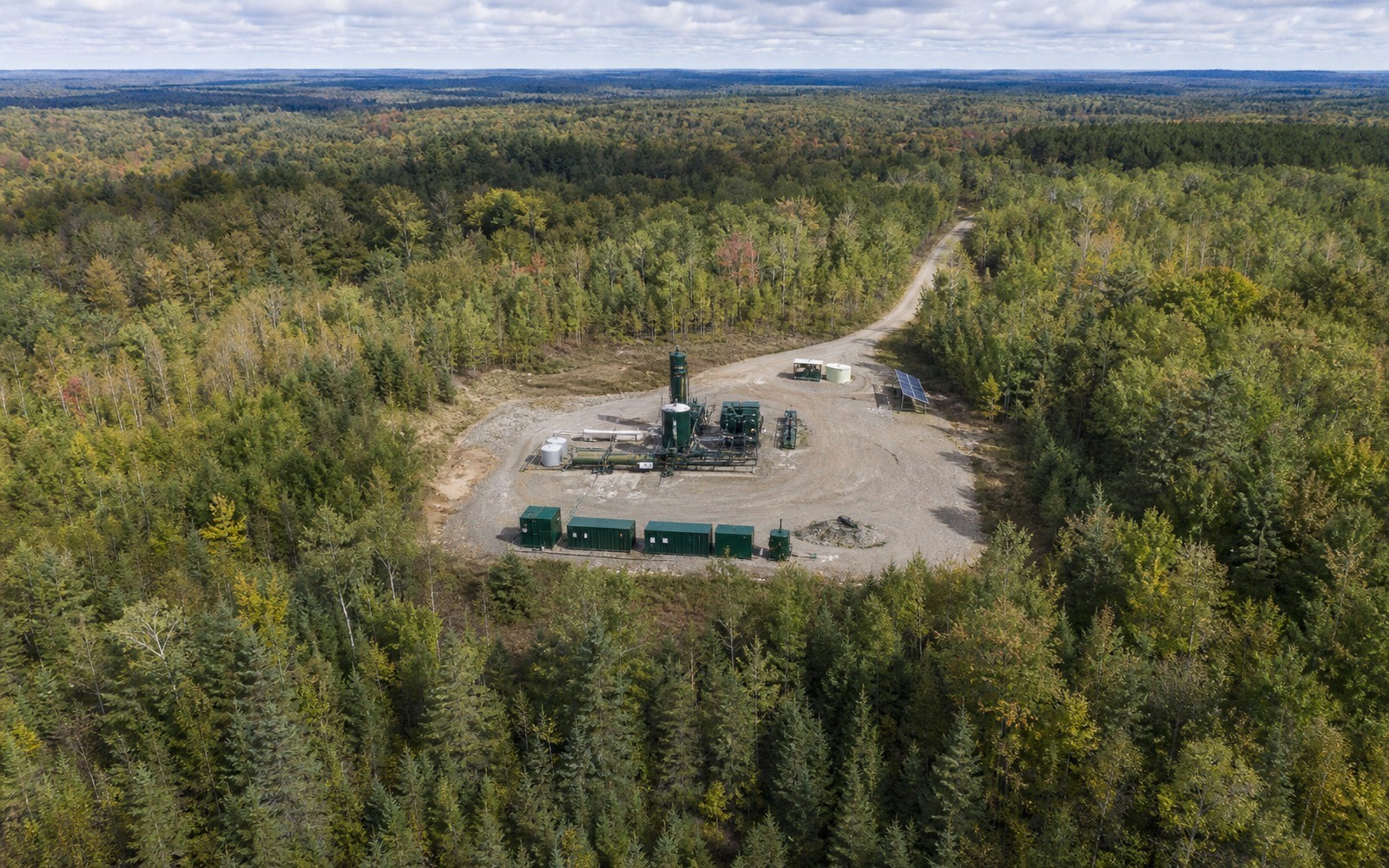
The Antrim Shale in Michigan's northern Lower Peninsula was one of the earliest widely developed shale gas plays in the country, drilled heavily through the 1980s and 1990s using shallow vertical wells that produce biogenic gas along with saltwater and, in many wells, small volumes of nitrogen. Most of that drilling is decades behind us. There is no active horizontal program repeating the play the way shale gas got repeated elsewhere, which changes who shows up wanting to buy your interest and why.
This is not a hot basin with institutional buyers competing for allocation. It's a mature, declining gas play, and the vetting checklist here looks almost nothing like it does in the Permian or the Haynesville.
What 'Buyer' Actually Means in a Play This Mature
In an active shale play, a buyer is often an aggregator building a royalty portfolio or a fund positioning for future development. In the Antrim, most of the wells were drilled long ago and their decline curves flattened out years back into shallow, slow-declining stripper production. A buyer here is more often a small regional operator, a family office holding legacy Michigan minerals, or a local gas gathering-adjacent entity, not a national aggregator with a pricing desk.
That matters because these buyers price almost entirely off trailing production history, not off type curves or offset activity, since there usually isn't new offset activity to model.
Why Checks Are Small and Offers Are Cautious
Antrim wells were never big producers individually. They made their economics on volume, thousands of wells across Otsego, Antrim, Montmorency, and surrounding counties, each contributing modest gas volumes over a long flat tail. If your royalty check has been small and steady for years, that's the play working as designed, not a sign something's wrong. Buyers know this, and legitimate offers reflect the flat, low-volume nature of the production rather than promising upside that isn't there.
Be skeptical of anyone pitching Antrim minerals as a growth story. The honest pitch is stability and simplicity, and a buyer who leads with anything else hasn't looked at your actual well history.
Vetting a Buyer in a Thin Market
With so few active buyers, you have less competitive tension to lean on, which makes it more important to check the basics yourself. Pull your well's production history from the Michigan Public Service Commission's oil and gas database, confirm the operator of record hasn't changed recently without your knowledge, and ask any buyer for a per-well breakdown rather than a single lump-sum figure across multiple old wells.
Because there's rarely urgency in a play this mature, there's also rarely a legitimate reason to sign quickly. If a buyer is pushing a fast deadline on Antrim minerals, that's a mismatch with how slowly everything else about this play moves.
Consolidated Ownership and Paperwork Realities
Because Antrim development happened across so many wells drilled by different operators over three decades, ownership records can be scattered across older filings, and some interests have been consolidated or transferred multiple times since the original lease. A buyer working this basin regularly should be comfortable tracking down that paperwork trail rather than asking you to do it for them.
If you hold interests in several old Antrim wells, ask whether a buyer can consolidate them into a single transaction with one clean closing, since managing many small separate royalty streams is often the actual reason sellers move on from this kind of legacy position.
Questions to Put Back to the Buyer
Is the Antrim Shale still being actively drilled?
Not in any meaningful new-well sense. The play was developed heavily in the 1980s and 1990s, and current production is almost entirely legacy vertical wells in long, flat decline.
Why is my Antrim royalty check so small compared to other plays I've heard about?
Antrim wells were designed around volume across many shallow, modest-producing wells rather than a few high-output wells, so individual royalty checks were never large, even at the play's peak.
Who actually buys Antrim Shale mineral rights today?
Mostly small regional operators, family offices with existing Michigan positions, or local buyers familiar with the play, rather than national aggregators or institutional royalty funds.
Should I expect a low offer because there's no drilling upside?
Offers should reflect flat, predictable production rather than growth, which is different from being lowballed. Compare any offer against your actual trailing production, not against pricing you've heard about from other basins.
How do I verify a buyer's numbers on Antrim wells?
Check your well's history against the Michigan Public Service Commission's oil and gas production database and confirm the operator of record before accepting a per-well or blended offer.
Can I sell several small Antrim well interests in one transaction?
Often yes. Many owners hold fractional interests across multiple old wells, and a buyer experienced with this basin can typically consolidate them into a single closing rather than negotiating each well separately.
Related buyer guides
Want this buyer question read against your own deed, statements, or offer?
Tell us where the interest is, whether it is producing, which operator or wells appear on the statements, what documents you have, and whether an offer is already on the table.