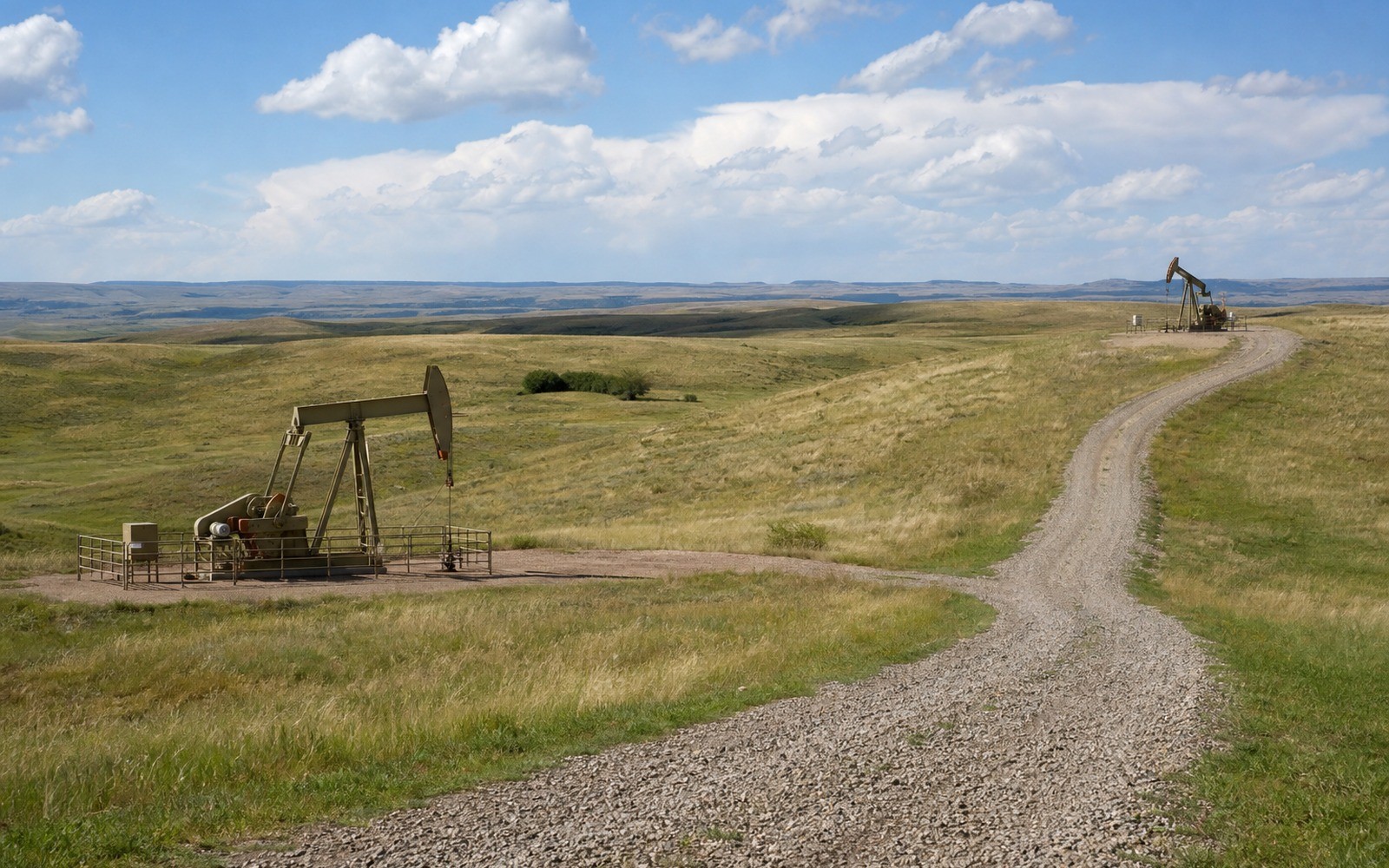
Piceance Basin Mineral Rights
Western Colorado's tight gas play has quieted down since its peak, and the buyer pool that's left is built for stability, not a bidding war.
The Piceance Basin in western Colorado, centered on Garfield, Rio Blanco, and Mesa counties, is a deep, tight-gas formation developed through dense vertical and directional drilling primarily by operators including Williams and, more recently, Caerus Oil and Gas. Activity here peaked over a decade ago and has slowed considerably since, tracking natural gas prices closely given the basin's near-total gas orientation and the cost of drilling into a tight, low-permeability reservoir at this depth.
For sellers, that means the buyer conversation here centers on a mature, gas-price-sensitive asset rather than a growth story, and a legitimate offer should reflect that directly.
Tight Gas Drilling Costs Shape the Buyer Pool
Because Piceance wells are drilled into a deep, low-permeability formation, the economics only work well at certain gas price levels, which has historically caused drilling activity here to expand and contract more sharply with the gas price cycle than some other basins. A buyer familiar with this basin should be able to explain how current gas prices relate to renewed drilling likelihood on your specific acreage, rather than assuming steady activity regardless of price.
Legacy Vertical Wells Provide Long Production Histories
Much of the basin's development used vertical and directional wells drilled years ago, which means many producing interests here have long, well-documented production histories. That's useful leverage for a seller: ask a buyer to model off your well's actual multi-year trend rather than a generic type curve, since the data to do it properly usually exists.
What to Confirm With a Piceance Buyer
Ask whether the buyer is treating your interest as stable legacy production or is pricing in renewed drilling potential, and if the latter, ask what evidence of recent permitting or rig activity near your tract supports that. Verify well and production data through the Colorado Energy and Carbon Management Commission before agreeing to a number, and be cautious of any offer implying near-term development that isn't backed by visible permit activity.
How Federal and Fee Mineral Ownership Mix in This Basin
A significant portion of Piceance Basin mineral ownership traces to federal leases administered by the Bureau of Land Management, alongside private fee mineral interests, particularly in the more remote portions of Garfield and Rio Blanco counties. If your interest involves a federal lease, ask a buyer whether they've handled BLM royalty structures and assignment processes before, since these differ from a standard private fee mineral transaction in both paperwork and typical timeline.
Confirming your ownership type early, through your deed and any lease documentation, saves real time later in the process and helps you evaluate whether a buyer's stated closing timeline is realistic.
What a Fair Piceance Offer Should Include
Given the basin's cyclical development history, a fair offer should explicitly state the gas price assumption behind it, reference your well's actual multi-year production trend rather than a basin average, and disclose whether any premium is being applied for undeveloped acreage near active permits. Sellers who ask for this level of specificity generally get more accurate numbers than those who accept a single round figure without asking how it was built.
Questions to Put Back to the Buyer
Is the Piceance Basin still being actively drilled?
Activity has slowed considerably from its peak and now tracks natural gas prices closely, since the basin's deep, tight-gas wells only pencil out economically at certain price levels, so current drilling is more limited than during the basin's earlier buildout.
Why does gas price matter so much for Piceance mineral values?
Because the formation is deep and low-permeability, drilling costs are relatively high, which makes new development activity, and therefore future value, particularly sensitive to where natural gas prices sit at any given time.
Do I have good production history to work with as a seller?
Often yes. Much of the basin was developed with vertical and directional wells years ago, so many producing interests here have long, well-documented histories a buyer can and should model against directly.
How can I check current activity near my Piceance acreage?
The Colorado Energy and Carbon Management Commission publishes well, permit, and production records, which you can check to confirm whether a buyer's claims about nearby activity are current or outdated.
Does it matter if my Piceance interest is a federal lease?
Yes. Federal leases administered by the Bureau of Land Management involve different royalty structures and assignment paperwork than private fee mineral ownership, so confirm your ownership type and work with a buyer experienced in that specific process.
What should a fair Piceance offer state explicitly?
It should state the gas price assumption behind the number, reference your well's actual multi-year production trend rather than a basin average, and disclose whether any premium is included for undeveloped acreage near active permits.
Is Mesa County different from Garfield and Rio Blanco for Piceance minerals?
Generally yes, activity has historically concentrated more in Garfield and Rio Blanco counties, so confirm which county your interest sits in and ask a buyer whether their comps actually reflect that specific area.
Related buyer guides
Want this buyer question read against your own deed, statements, or offer?
Tell us where the interest is, whether it is producing, which operator or wells appear on the statements, what documents you have, and whether an offer is already on the table.