Fayetteville Shale Mineral Rights
Operators largely walked away from new Fayetteville drilling years ago, and the buyer left standing is pricing decline, not upside.
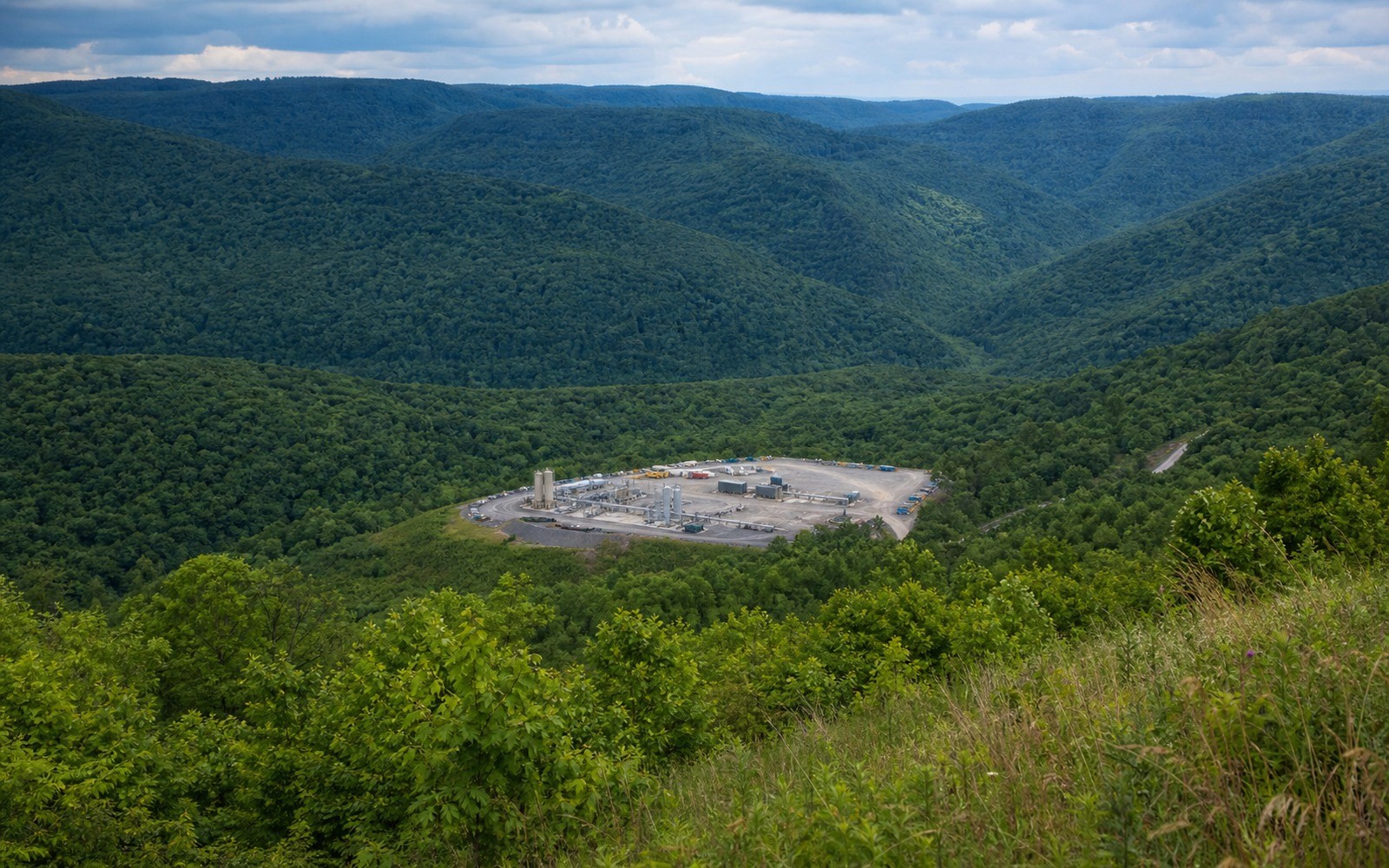
The Fayetteville Shale in north-central Arkansas, primarily across Van Buren, Cleburne, White, and Conway counties, was a major dry gas play through the mid-2000s and into the 2010s, led at its peak by Southwestern Energy's large-scale horizontal program. Persistently low natural gas prices led the major operators to pull back drilling capital years ago, and new well activity has been minimal since. What remains is a large inventory of horizontal wells well into their decline curves.
For a seller, that history matters because it sets honest expectations. This is not a basin where a buyer is going to pitch you on nearby permit activity or offset well upside, because there generally isn't much to point to.
What a Realistic Fayetteville Offer Looks Like
A buyer working this basin honestly should price your interest off trailing production and a continuing decline assumption, not off drilling potential. If someone pitches you on future development in the Fayetteville, ask them to point to specific recent permits in your county, because absent that evidence, the pitch doesn't match the basin's current reality.
That doesn't mean the interest is worthless. Steady, low-volume gas production still has value to a buyer who wants predictable cash flow without drilling risk, but the price should reflect a mature, largely static asset rather than a growth story.
Gas Price Sensitivity Is the Main Variable
With drilling activity essentially flat, the biggest swing factor in your royalty income is natural gas price, not new production. Ask a buyer how they're weighting current versus historical gas prices in their offer, and be wary of pricing based on a single recent low-price month rather than a longer trailing average that smooths out normal price cycles.
A Thin Buyer Pool Means More Homework, Not Less
Because this basin doesn't attract the same buyer volume as an active play, you're less likely to get competing offers quickly. That makes it more important to verify well data yourself through the Arkansas Oil and Gas Commission before agreeing to a number, and to be patient rather than accepting the first offer simply because it's the only one on the table.
What a Buyer's Motivation Usually Is Here
In a basin without meaningful drilling upside, most legitimate buyers are looking for stable, low-maintenance cash flow to add to an existing portfolio, often to offset more volatile positions they hold in active plays elsewhere. That's a reasonable strategy on their end, and it's worth understanding, because it explains why offers here tend to be conservative and steady rather than aggressive.
It's also worth asking a buyer how many other Fayetteville interests they currently hold, since one with an established position nearby may have better production data on your specific area than one making a first foray into this basin.
Questions to Put Back to the Buyer
Is anyone still drilling in the Fayetteville Shale?
New drilling has slowed to nearly nothing compared to the play's peak, as low natural gas prices led major operators to redirect capital elsewhere years ago, so current value sits almost entirely in existing production.
Why is my Fayetteville royalty check lower than it used to be?
This is typical for a mature gas play well into its decline curve, and checks also move with natural gas prices, so a lower check often reflects normal decline plus current gas market conditions rather than anything unusual.
Should I expect development upside in a buyer's offer?
Not realistically. Without recent permit activity to point to, a legitimate offer should be based on trailing production and continued decline rather than future drilling potential in this basin.
How do I verify Fayetteville well data before selling?
The Arkansas Oil and Gas Commission maintains well and production records you can check against a buyer's claims, which is especially useful given how few competing offers you're likely to receive in this basin.
Why would anyone want to buy minerals with no growth potential?
Stable, low-maintenance gas royalties can appeal to buyers looking to offset more volatile positions elsewhere in their portfolio, which is a reasonable reason for interest even in a basin without meaningful drilling upside.
Does it help to ask a buyer about their existing Fayetteville holdings?
Yes. A buyer with an established position near your county may have better local production data than one new to the basin, which can lead to a more accurate offer than a generic outreach quote based on limited information.
How long should I expect the sale process to take in this basin?
Because buyer volume is thin, finding and vetting an interested party can take longer than in an active shale play, so budget realistic time for outreach and comparison rather than expecting a quick turnaround.
Are Van Buren and Cleburne County interests priced the same?
Generally similar, since both sit within the same mature core of the play, though always confirm your specific well's trailing production rather than assuming county location alone determines value.
Related buyer guides
Want this buyer question read against your own deed, statements, or offer?
Tell us where the interest is, whether it is producing, which operator or wells appear on the statements, what documents you have, and whether an offer is already on the table.