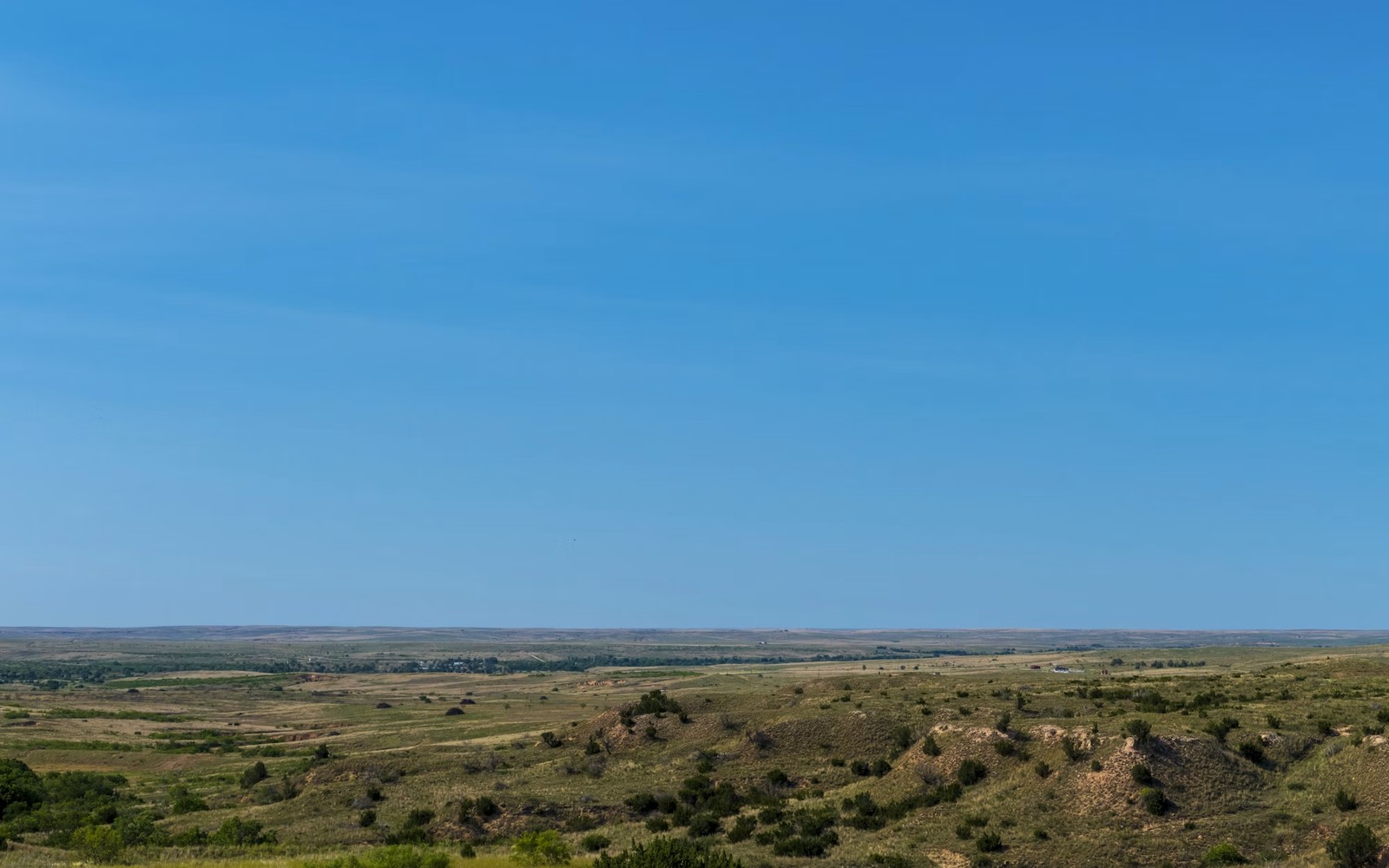
San Juan Basin Mineral Rights
This is one of the oldest continuously producing gas basins in the country, and the buyer pool here reflects that age more than any drilling upside.
The San Juan Basin, spanning northwest New Mexico's San Juan and Rio Arriba counties and southwest Colorado's La Plata County, has produced natural gas from conventional sandstone reservoirs and, later, coalbed methane in the Fruitland Formation since well before the shale era began. Much of the basin's core development happened decades ago, and while it remains one of the most prolific gas basins historically, current activity is limited compared to its peak, with most value tied to long-running legacy production.
This basin also includes a meaningful amount of allotted and tribal trust land alongside fee mineral ownership, which changes the ownership verification process for some interests in ways worth understanding upfront.
A Small, Specialized Buyer Pool
Because this basin doesn't attract the drilling-driven buyer volume of an active shale play, expect fewer, more specialized offers rather than a competitive bidding environment. Buyers active here tend to have specific San Juan Basin experience, often built over years of working this basin's particular mix of conventional gas and coalbed methane production, rather than being generalist national aggregators.
Confirming Fee vs. Allotted Ownership
Some interests in this basin involve allotted lands where ownership and transfer processes differ from standard fee mineral title, potentially involving Bureau of Indian Affairs approval for any conveyance. If your ownership involves allotted or trust land, confirm this directly and ask any buyer whether they have experience closing transactions of that type, since a buyer unfamiliar with the process can significantly slow or complicate a sale.
For standard fee mineral ownership, verification is more conventional: county records in San Juan, Rio Arriba, or La Plata counties should establish a clear chain of title.
What Legacy Production Means for Pricing
With decades of production history available on many wells, buyers here should be pricing off real, long-run decline data rather than speculative type curves. Ask for the specific well or unit history behind any offer, and treat a buyer who can't produce that history, given how much data exists in a basin this mature, as a sign they haven't done real diligence.
Sandstone Gas vs. Coalbed Methane Behave Differently
The basin's older conventional gas production from Mesaverde and other sandstone intervals declines differently than the Fruitland Formation coalbed methane developed later, which often involved a dewatering period before gas volumes built. Ask a buyer which formation and production type your specific interest represents, since applying a conventional gas decline curve to a coalbed methane well, or the reverse, produces a misleading number either way.
This distinction matters more here than in newer basins simply because so much of the current production dates back decades, and records from different eras don't always label formation type consistently.
Patience Tends to Serve San Juan Basin Sellers Well
Because this basin doesn't generate the outreach volume of an active shale play, sellers sometimes feel pressure to accept the only offer they've received. Given how slowly this basin moves overall, there's rarely a real cost to taking time to verify a buyer's numbers against your own well records before committing to a sale.
Questions to Put Back to the Buyer
Is the San Juan Basin still an active drilling area?
Current activity is limited compared to the basin's earlier peak, with most current value tied to long-running legacy conventional gas and coalbed methane production rather than new development.
Why are there fewer buyers for San Juan Basin minerals?
This basin doesn't attract the drilling-driven buyer volume of an active shale play, so the buyer pool tends to be smaller and more specialized rather than competitive and broad.
What's different about allotted or tribal trust land ownership here?
Transfers involving allotted or trust land may require Bureau of Indian Affairs approval and a different process than standard fee mineral conveyance, so it's important to confirm your ownership type and work with a buyer experienced in that process.
How do I verify well production history in this basin?
Given how mature this basin is, most wells have decades of documented production available through New Mexico and Colorado state oil and gas records, which a buyer should be referencing directly rather than a speculative estimate.
Does it matter if my interest is conventional gas or coalbed methane?
Yes. Conventional sandstone gas and Fruitland Formation coalbed methane decline differently, so a buyer should confirm which type your interest represents rather than applying one generic decline assumption to both.
Is it worth waiting for a better offer in the San Juan Basin?
Often yes. This basin moves slowly overall, so taking time to verify a buyer's numbers against your own well records before committing to a sale rarely costs you anything meaningful given the limited urgency involved.
Does it matter whether I'm on the New Mexico or Colorado side?
It can affect which state agency and records apply, so confirm whether your tract sits in San Juan or Rio Arriba County in New Mexico or La Plata County in Colorado before verifying a buyer's well and title claims.
Related buyer guides
Want this buyer question read against your own deed, statements, or offer?
Tell us where the interest is, whether it is producing, which operator or wells appear on the statements, what documents you have, and whether an offer is already on the table.