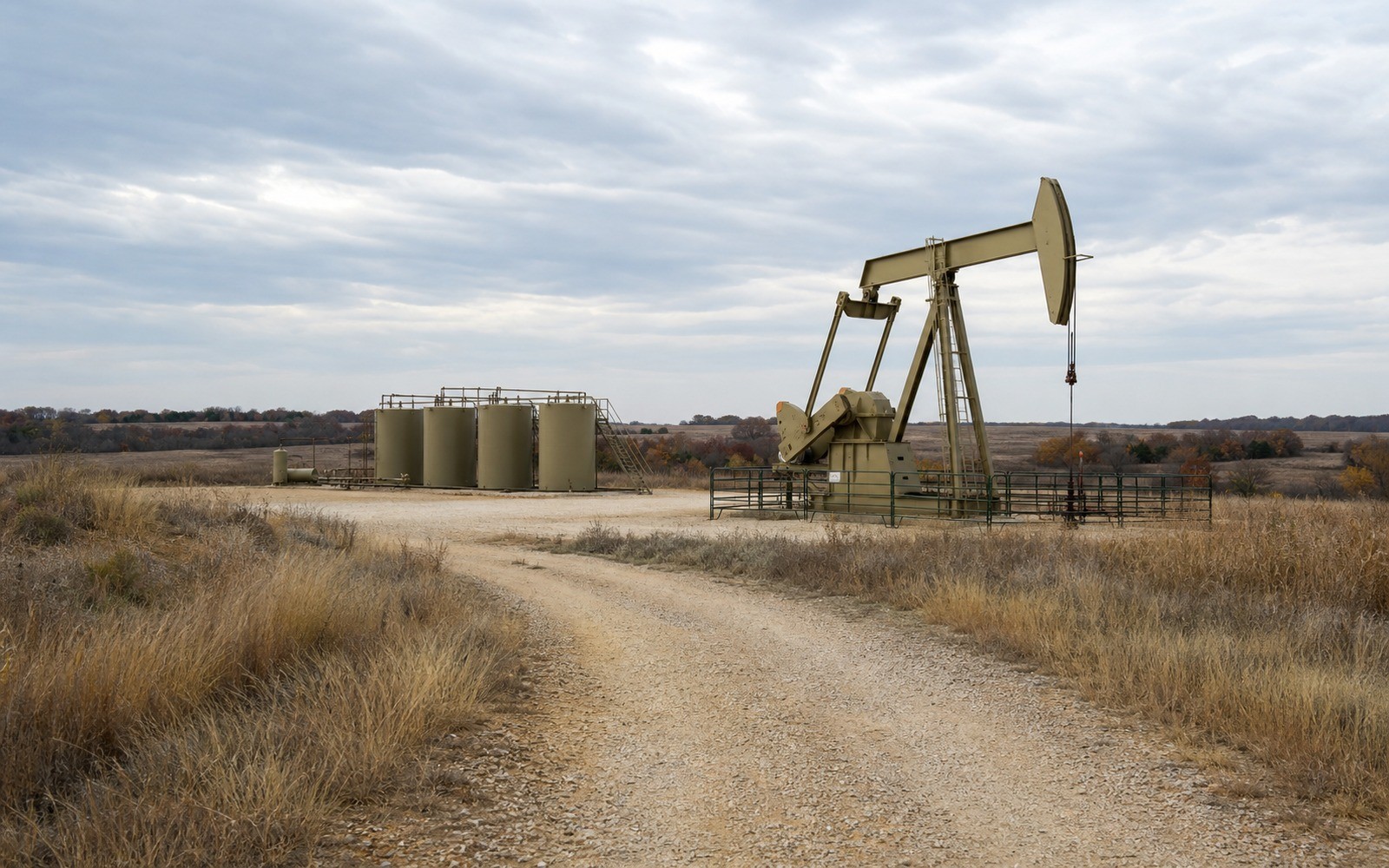
Anadarko Basin Mineral Rights
The Anadarko is stacked, not simple, and an offer that doesn't say which formation it's pricing is an offer you can't actually evaluate.
The Anadarko Basin covers a wide stretch of western Oklahoma and the Texas Panhandle, and it has been drilled in layers for close to a century. A single section can carry old vertical production from the Cherokee, Osage, or Council Grove intervals stacked below a newer STACK horizontal lateral in the Meramec or Osage. Two buyers can look at the same tract and quote very different numbers, and the reason usually isn't that one is lowballing you. It's that they're pricing different production streams entirely.
Because this basin rewards decades of drilling activity from multiple operators, a buyer-vetting checklist here has to start with formation identity before it gets to price.
Why Formation Depth Confuses Anadarko Offers
Ask any buyer working this basin to name the formation their offer is based on. If the answer is vague, or if they only reference 'the well' without a formation name, they may be pricing off a legacy vertical unit while ignoring newer horizontal development on the same acreage, or the reverse. Custer, Dewey, Blaine, and Canadian counties in particular have decades of vertical Red Fork and Cherokee-interval wells sitting under or near STACK laterals, and a careless comp pulls numbers from the wrong stack.
A buyer who can point to the specific well name, API number, and formation on your division order is showing you they did the work. One who quotes a round number off a phone call did not.
Vertical Legacy Interests vs. Horizontal STACK Buyers
Two distinct buyer types circulate in the Anadarko. The first buys legacy vertical royalty streams, often small, often stripper-well production with slow, shallow decline that's been running for twenty or thirty years. These buyers price on trailing twelve-month averages because there's little else to model. The second buys interests under active or planned STACK/SCOOP-adjacent horizontal units, where decline curves are steep in year one and two before flattening, and pricing depends heavily on how many additional wells the operator has permitted nearby.
Confusing the two is the single biggest vetting mistake sellers make here. A vertical-interest buyer applying horizontal-style multiples will overpay on paper and then try to renegotiate at closing. A horizontal-interest buyer using flat vertical pricing will lowball you badly.
What a Legitimate Anadarko Buyer Should Show You
Before you sign anything, ask for three things: the specific wells and API numbers their offer covers, a decline assumption they're willing to state in writing, and confirmation of whether they've pulled your county's plat records or are working off a database estimate. Oklahoma Corporation Commission records and county clerk filings in this basin are generally clean and searchable, so a serious buyer has no excuse for guessing.
It's also worth asking directly whether the buyer intends to hold the interest, package it into a larger royalty fund, or flip it to an operator or aggregator within months. That doesn't change your legal position, but it tells you how negotiable their first number really is.
Red Flags Specific to This Basin
Watch for offers that lump multiple sections together at one blended price without breaking out which wells sit on which tract, offers that cite 'basin average' pricing instead of your actual production history, and pressure to sign within days when your interest includes both producing and undeveloped acreage that could still see a permit. Given how long this basin has been active, patience rarely costs you anything, and a buyer who can't tolerate a week for you to check your division orders against county records is telling you something.
Questions to Put Back to the Buyer
Why do Anadarko Basin offers vary so much between buyers?
Mostly because of formation confusion. Vertical legacy production and newer STACK-style horizontal laterals behave completely differently, and a buyer pricing off the wrong one will land far from a defensible number either way.
Which counties see the most current Anadarko Basin activity?
Custer, Dewey, Blaine, and Canadian counties have seen the most recent horizontal permitting, though legacy vertical production runs across nearly the entire Oklahoma portion of the basin.
Should I get separate offers for producing and undeveloped acreage?
Generally yes. Producing interests price off actual decline history, while undeveloped acreage in an active drilling unit prices off permit activity and offset well performance, which a single blended offer usually undervalues.
How do I check if a buyer's well data is accurate?
Cross-reference the API numbers they cite against Oklahoma Corporation Commission records or the Texas Railroad Commission for Panhandle wells, and compare against your own division order statements before agreeing to a number.
Is legacy stripper-well production in this basin worth selling?
It can be, particularly if you want to eliminate small, unpredictable royalty checks and courthouse paperwork, but pricing depends heavily on current activity nearby, so get a written decline assumption before accepting an offer.
Related buyer guides
Want this buyer question read against your own deed, statements, or offer?
Tell us where the interest is, whether it is producing, which operator or wells appear on the statements, what documents you have, and whether an offer is already on the table.