Utica Shale Mineral Rights
The Utica sits deeper than the Marcellus above it, and its own dry-gas and wet-gas windows need to be priced as separately as the Marcellus's are.
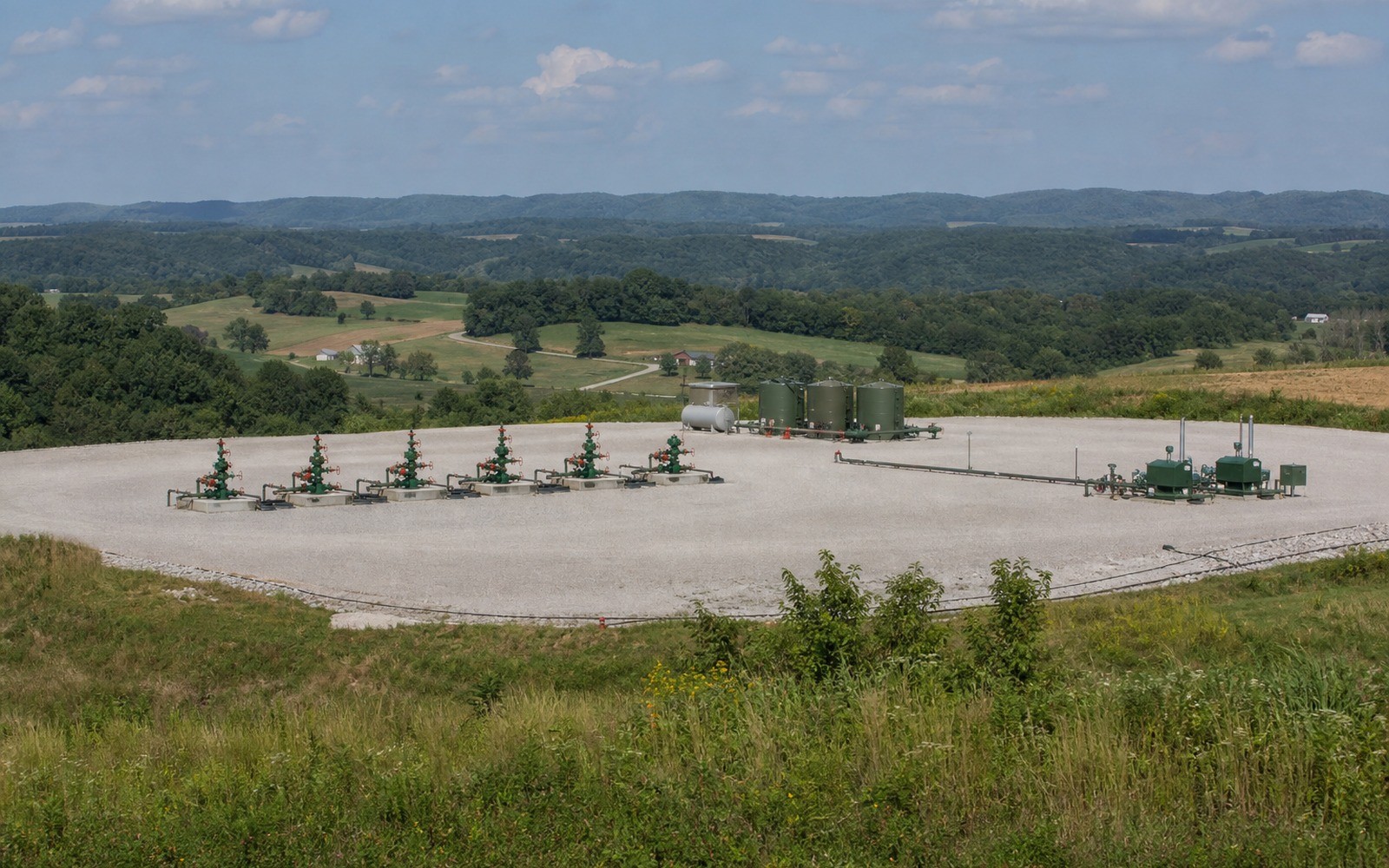
The Utica Shale underlies much of eastern Ohio, developed primarily by operators including Ascent Resources, Encino Energy, and Gulfport Energy across counties like Belmont, Monroe, Guernsey, and Harrison. It sits well below the Marcellus in the same general region, and while the two formations are sometimes discussed together, they're distinct reservoirs with their own pricing and development considerations. Some operators have also targeted both formations from the same well pads, which adds another layer sellers should understand.
Like the Marcellus, the Utica splits into different windows across its footprint, with a dry gas core and a wet, liquids-rich window that changes the revenue picture substantially depending on where your tract sits.
Dry Gas vs. Wet Gas Windows Drive Different Pricing
Eastern Ohio counties closer to the play's dry gas core produce primarily methane, while counties further into the liquids-rich window produce meaningful natural gas liquids alongside gas, adding real revenue that a dry-gas-only pricing model would miss entirely. Ask a buyer which window they believe your tract falls in and what evidence supports that, whether your own division order history or nearby well data.
Confusing the two windows is one of the most common pricing mistakes in this basin, since a generic 'Utica' offer that doesn't distinguish between them is likely using a blended assumption that doesn't match your actual production.
Utica-Only vs. Combined Marcellus-Utica Wells
Some operators drill separate wells targeting the Utica and Marcellus independently on the same pad, while in other cases development has focused on one formation over the other depending on economics at the time. If your interest could include either formation, ask a buyer to specify which one their offer is actually based on, since the two have different decline behavior and, in the wet gas window, different NGL content.
Checking Buyer Claims Against Ohio Records
The Ohio Department of Natural Resources' Division of Oil and Gas Resources Management publishes well, permit, and production data that can confirm which formation is producing on or near your tract and whether the well is in the dry or wet gas portion of the play. Use this to verify a buyer's stated activity and window claims before agreeing to a number.
Why Depth and Pressure Affect Utica Well Economics
Utica wells are typically drilled deeper than Marcellus wells in the same region, which raises drilling costs and generally requires stronger reservoir performance to justify continued development compared to a shallower Marcellus target. A buyer who understands this basin should be able to explain how depth-driven costs affect pacing and pricing on your specific tract, rather than assuming Utica and Marcellus economics are interchangeable simply because they sit in the same counties.
This is part of why some operators have shifted emphasis toward the shallower Marcellus in certain areas even where both formations are present, which is worth asking a buyer about directly if your interest could include either.
Questions to Put Back to the Buyer
Is the Utica Shale the same as the Marcellus?
No, they're distinct formations, with the Utica sitting deeper than the Marcellus in the same general eastern Ohio and surrounding region, though some operators have drilled both from the same well pads.
Why does it matter if I'm in the wet gas or dry gas window?
Wet gas window production includes valuable natural gas liquids alongside methane, which adds meaningful revenue beyond a dry-gas-only model, so pricing needs to reflect your tract's actual location within the play.
How do I find out which formation my well is producing from?
Check your division order statements and cross-reference your well against Ohio Department of Natural Resources records, which specify formation and can confirm whether Utica, Marcellus, or both are being produced on your tract.
Should I expect the same offer for dry gas and wet gas Utica acreage?
No, a buyer's offer should reflect which window your tract actually sits in, since the wet gas window's added liquids revenue generally supports different pricing than dry gas-only production.
Why does drilling depth matter for Utica pricing?
Utica wells sit deeper than Marcellus wells in the same region, raising drilling costs and requiring stronger reservoir performance to justify development, which affects both pacing and how a buyer should price your specific tract.
Why have some operators shifted toward the Marcellus over the Utica?
In areas where both formations are present, the shallower Marcellus can be less costly to develop, which has led some operators to prioritize it in certain counties, so ask a buyer directly which formation is actually driving activity near your tract.
Does Harrison County price differently than Belmont or Monroe County?
It can, since the wet and dry gas windows don't align neatly with county lines, so confirm your specific well's product mix through division order data rather than assuming county alone determines your window.
Related buyer guides
Want this buyer question read against your own deed, statements, or offer?
Tell us where the interest is, whether it is producing, which operator or wells appear on the statements, what documents you have, and whether an offer is already on the table.