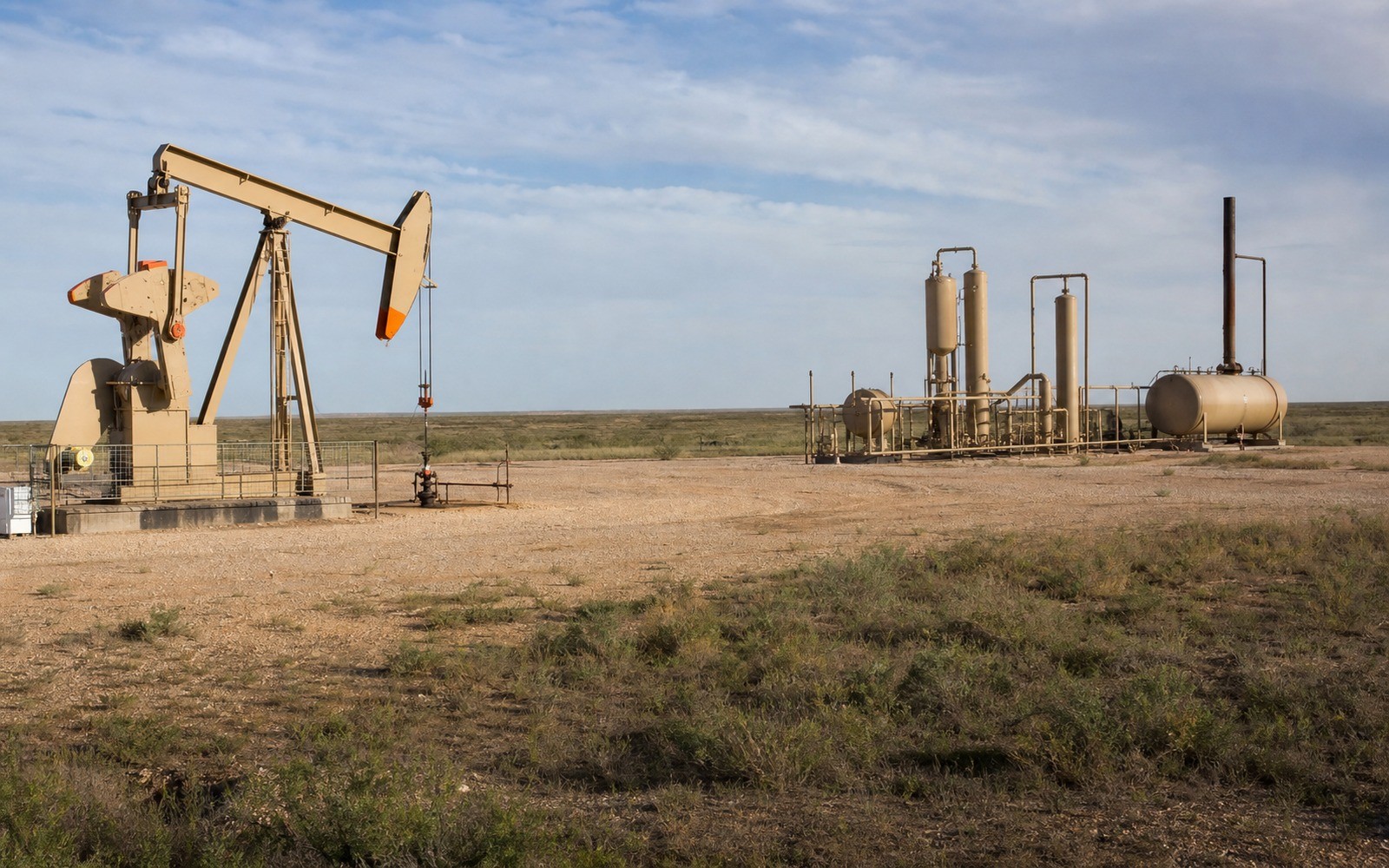
Permian Basin Mineral Rights
More buyers compete for Permian minerals than for any other basin in the country, which means the risk isn't a low offer, it's a fast one that skips the work.
The Permian Basin, spanning far west Texas and southeast New Mexico across its Midland and Delaware sub-basins, is the most heavily drilled and most heavily capitalized onshore play in the United States. Public royalty companies, family offices, private equity-backed aggregators, and individual buyers all actively compete for acreage here, which makes it the single most crowded buyer market on this list. Sellers rarely struggle to find an offer. They struggle to tell a good one from a mediocre one buried in volume.
That volume is exactly why a disciplined vetting checklist matters more here than almost anywhere else. When ten buyers can call in a month, the burden shifts from finding a buyer to filtering them.
Why Aggregator Competition Cuts Both Ways
Heavy competition generally means better pricing tension for sellers, since buyers know they're not the only offer you'll receive. But it also means volume-based outreach: form letters, cold calls, and offers priced off acreage alone without referencing your specific wells, formation, or bench. Treat any offer that doesn't name your actual well, unit, or lease as a starting bid, not a final number.
Public royalty companies like Kimbell and Viper, along with numerous private funds, actively acquire in this basin, and their pricing discipline tends to be higher than a smaller outreach shop's, but that doesn't mean their first offer is their best one either.
Multi-Bench Development Means One Offer Rarely Fits
Because both the Midland and Delaware sides of this basin support multiple stacked, independently developable intervals, primarily various Wolfcamp benches and Spraberry or Bone Spring depending on location, ask any buyer which specific benches their offer accounts for. An offer priced only against currently producing intervals while ignoring undeveloped stacked pay on the same tract can undervalue your interest substantially.
Know Whether You're in Midland or Delaware Basin Territory
The two sub-basins have different depths, cost structures, and comp sets. A buyer applying Delaware Basin pricing logic to Midland Basin acreage, or the reverse, is working from the wrong cost and decline assumptions. Confirm which sub-basin your tract sits in and ask the buyer to price accordingly, not generically as 'Permian.'
A Vetting Checklist for This Basin Specifically
Get at least two or three offers given how many active buyers exist here, ask each to name your specific wells, API numbers, and benches, request their decline or type-curve assumptions in writing, verify claims against Texas Railroad Commission or New Mexico Oil Conservation Division records, and never let a fast deadline substitute for comparison shopping in a basin where comparison shopping is genuinely easy to do.
Reading Between the Lines on a Fast Close
Because buyer competition is so intense here, urgency itself has become a common sales tactic, with some outreach specifically framed around a short deadline to discourage you from getting a second opinion. A genuinely competitive offer in this basin doesn't need artificial urgency to stand on its own, and a buyer who can't tolerate a week or two for you to compare bids is often betting that comparison would cost them the deal.
That doesn't mean every fast offer is bad faith, but it does mean the burden is on the buyer to justify the timeline, not on you to justify taking time.
Questions to Put Back to the Buyer
Why do I get so many offers on Permian Basin minerals?
This is the most actively drilled and most heavily capitalized basin in the country, drawing public royalty companies, private funds, and individual buyers all competing for the same acreage, which produces a high volume of inbound offers for most sellers.
Should I accept the first Permian offer I receive?
Generally not without comparison. Given how many active buyers exist in this basin, getting two or three offers is usually straightforward and often reveals meaningful differences in how each buyer prices your specific wells and benches.
What's the difference between Midland and Delaware Basin pricing?
Delaware Basin wells are generally deeper, more overpressured, and more expensive to drill than Midland Basin wells, which affects cost structure and comps, so a buyer should price your acreage based on which sub-basin it's actually in.
How do I check whether a buyer's well data is accurate?
Texas Railroad Commission records for the Texas side and the New Mexico Oil Conservation Division for the New Mexico side both publish well, permit, and production data you can use to verify a buyer's claims before agreeing to a number.
Should a tight deadline on a Permian offer worry me?
It's worth questioning. A genuinely competitive offer in this basin generally doesn't need an artificial deadline to hold up, so a buyer pushing hard against a short timeline may be trying to prevent you from comparing bids.
Do public royalty companies pay more than private outreach shops?
Not always, but they tend to price more consistently, since they work from disciplined internal models. Comparing at least one public-company-style offer against a private outreach offer is a useful way to gauge where the market actually sits.
Related buyer guides
Want this buyer question read against your own deed, statements, or offer?
Tell us where the interest is, whether it is producing, which operator or wells appear on the statements, what documents you have, and whether an offer is already on the table.