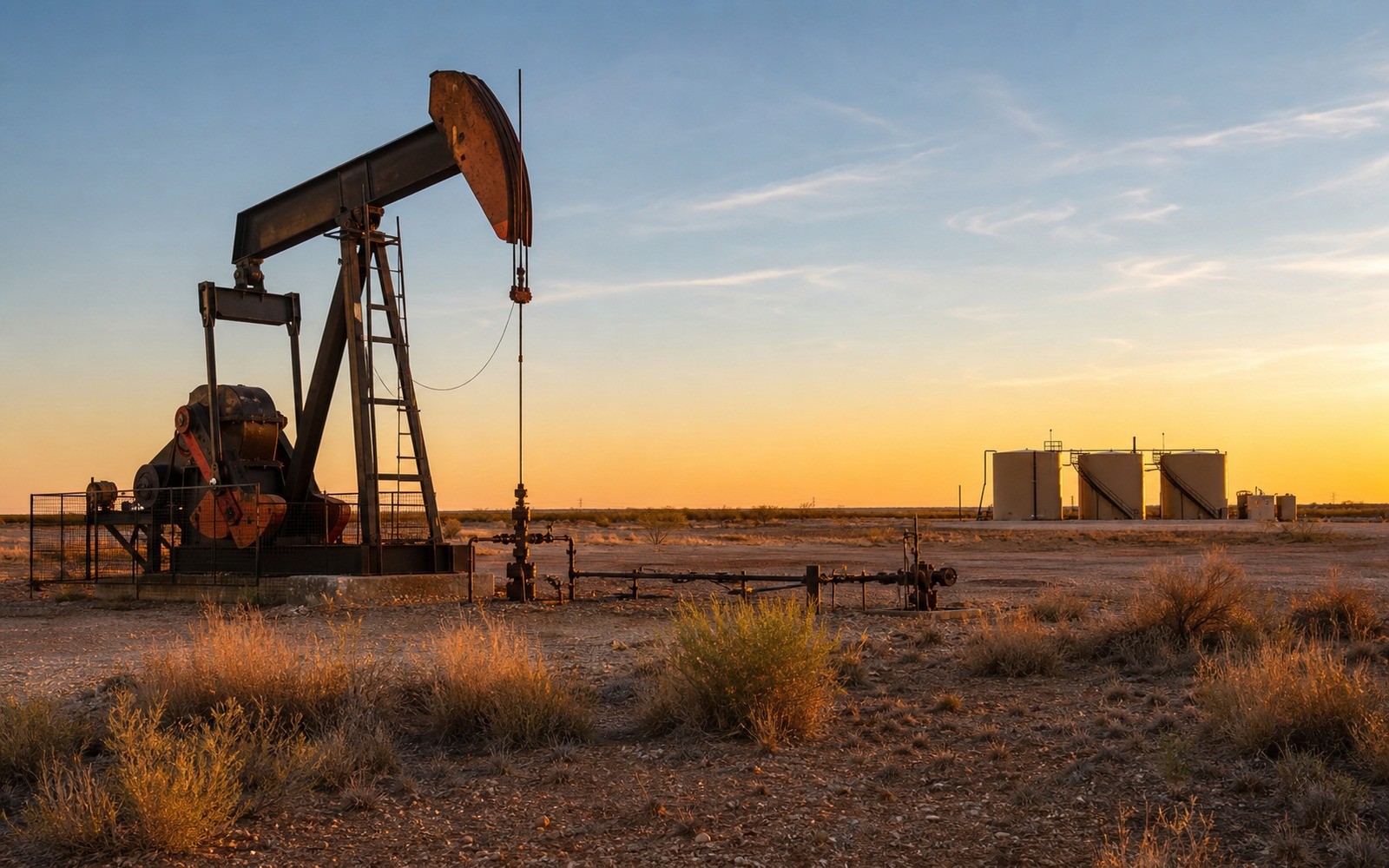
Midland Basin Mineral Rights
The eastern shelf of the Permian is shallower and more consolidated than the Delaware side, and that consolidation changes who's bidding on your interest.
The Midland Basin, the eastern sub-basin of the Permian, covers Midland, Martin, Howard, Glasscock, and Reagan counties among others, and it has been consolidated aggressively over the past several years as major operators absorbed independents through large-scale acquisitions. That consolidation matters for mineral sellers: fewer, larger operators running development programs generally means more predictable multi-year drilling plans, but also fewer distinct buyer voices competing for your acreage compared to a more fragmented basin.
The Wolfcamp and Spraberry intervals here have been drilled extensively enough that most producing acreage has solid comparable data, which should make vetting easier if you use it.
Operator Consolidation Changes What 'Active' Means
With large operators controlling more contiguous acreage than they did a decade ago, development in the Midland Basin increasingly happens in coordinated, multi-year pad programs rather than scattered single-well permits. Ask a buyer whether they know which operator currently controls development around your tract and what that operator's recent permitting pattern looks like, since a single operator's capital allocation decisions now drive activity across large blocks of the basin.
This also means a buyer who references an operator that sold or merged out of the area years ago is working from outdated information.
Dense Comparable Data Is a Seller Advantage
Because the Midland Basin has been drilled so extensively, there's substantial public transaction and production data available, which shifts leverage toward informed sellers. Ask any buyer for their comps in addition to their number, and check those comps against Texas Railroad Commission production records for wells near your tract before agreeing to anything.
Shallower Depths, Different Cost Structure Than Delaware
Midland Basin wells are generally shallower and less overpressured than their Delaware Basin counterparts to the west, which affects well cost and, indirectly, how aggressively operators develop a given area. A buyer conflating Midland and Delaware pricing logic without acknowledging this difference is applying the wrong cost assumptions to your specific geology.
Checklist for a Midland Basin Sale
Confirm the current operator of record for wells near your tract, ask for specific comps rather than a basin-average number, verify well and permit data through the Texas Railroad Commission, and get at least a second offer if your interest is producing, since the volume of buyer activity in this basin makes comparison shopping genuinely worthwhile.
Multi-Bench Wolfcamp Development Still Applies
Even with a shallower profile than the Delaware side, Midland Basin acreage often carries multiple distinct Wolfcamp benches along with Spraberry potential above it, meaning a single tract can still support more than one independent development program over time. Ask a buyer which specific bench or interval their offer is priced against, and whether they've accounted for any undeveloped intervals still sitting under your tract.
An offer that only reflects currently producing Wolfcamp intervals while ignoring undeveloped Spraberry or deeper Wolfcamp potential on the same acreage may be leaving real value out of the conversation.
Questions to Put Back to the Buyer
How has operator consolidation affected Midland Basin mineral values?
Fewer, larger operators now control more contiguous acreage and often run coordinated multi-year development programs, which can mean more predictable activity but also fewer distinct buyer voices bidding on a given tract.
Is the Midland Basin the same as the Delaware Basin?
No, they're the two sub-basins of the broader Permian Basin. Midland sits on the eastern shelf with generally shallower, less overpressured wells, while the Delaware Basin to the west is deeper and more complex to drill.
How can I check which operator is active near my tract?
Texas Railroad Commission records show current operator of record and recent permitting activity by lease and county, which is a reliable way to confirm a buyer's claims about who's developing near your acreage.
Should I compare multiple offers in this basin?
Given how much comparable transaction and production data exists here, yes, comparing offers is generally worthwhile and rarely costs a seller meaningful time given the volume of active buyers in the Midland Basin.
Does my Midland Basin tract carry more than one developable formation?
Often yes. Multiple Wolfcamp benches and Spraberry potential can stack on the same acreage, so ask a buyer which specific intervals their offer accounts for rather than assuming a single quote reflects all developable formations under your tract.
Does operator consolidation mean I have less negotiating room?
Not necessarily. Fewer operators controlling development doesn't mean fewer buyers competing to acquire minerals, so getting multiple offers and comparing them against public production data still gives you real leverage.
How do I know if a buyer's comps are current?
Ask for the date range of the transactions they're citing and cross-check against recent Texas Railroad Commission permitting activity near your tract, since a comp set built even a year or two ago can miss meaningful shifts in operator activity here.
Is Reagan County priced the same as Midland or Martin County?
Not necessarily. Development density and operator activity vary across the basin's counties, so confirm current permitting near your specific tract rather than assuming uniform pricing across the whole Midland Basin footprint.
Related buyer guides
Want this buyer question read against your own deed, statements, or offer?
Tell us where the interest is, whether it is producing, which operator or wells appear on the statements, what documents you have, and whether an offer is already on the table.