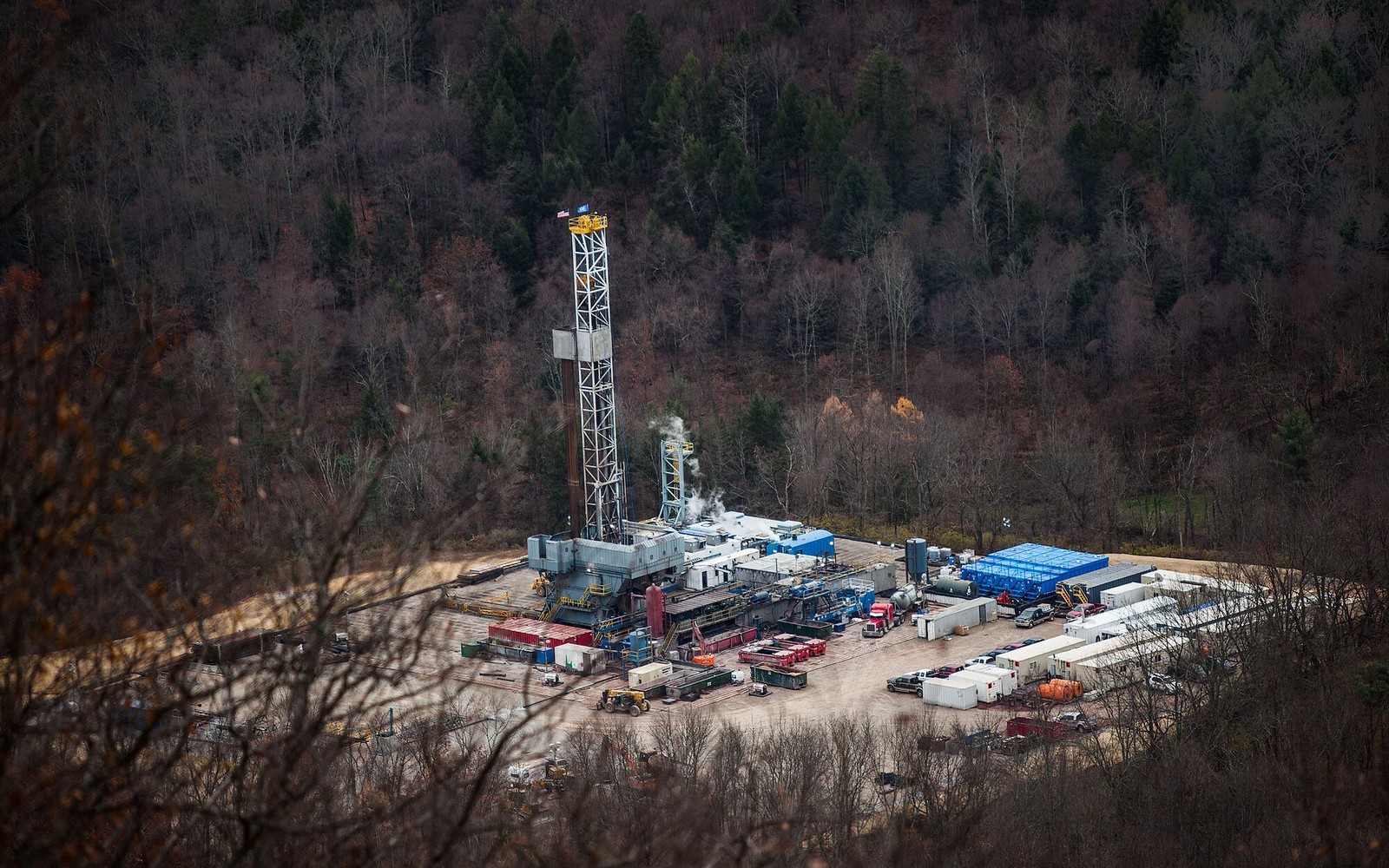
Marcellus Shale Mineral Rights
In parts of the Marcellus, especially West Virginia, the hardest part of a sale isn't the price, it's whether your title is clean enough to close on.
The Marcellus Shale underlies a huge swath of Pennsylvania and West Virginia, developed heavily since the mid-2000s by operators including EQT, Range Resources, CNX, and Antero Resources into one of the largest natural gas plays in the world. It's also a basin with a genuinely old ownership history: mineral rights were severed from surface ownership in this region as far back as the late 1800s and early 1900s, especially in West Virginia, and that history creates title complications a serious buyer has to work through before closing.
This is different from a basin like the Permian or Bakken, where title is usually a straightforward chain-of-title exercise. In parts of the Marcellus footprint, a buyer-vetting checklist starts with title competence, not price competence.
Why Old Severances Complicate West Virginia Deals
West Virginia has an unusually high concentration of century-old severed mineral estates, often split among many heirs over multiple generations without formal probate at every step. A buyer working this basin needs real experience tracing broken chains of title, unrecorded transfers, and heirship gaps, well beyond a standard oil and gas landman workflow. If a buyer can't describe how they'd handle a title defect if one turned up, that's a meaningful gap.
Pennsylvania generally has cleaner, more consistently recorded title history, though older leases there can carry their own complications around Marcellus-specific lease language and pooling clauses that a generic offer may not account for.
Wet Gas vs. Dry Gas Windows Also Matter
Like several other basins on this list, the Marcellus isn't uniform. Southwestern Pennsylvania and parts of West Virginia fall in a wet gas or liquids-rich window that adds natural gas liquids revenue on top of dry gas, while much of the northeastern Pennsylvania core is dry gas only. Confirm which window your interest sits in, since it changes the revenue mix a buyer should be modeling.
What a Competent Marcellus Buyer Should Show You
Ask for a clear explanation of how they've verified your chain of title, in addition to your production numbers. Ask whether they've identified any heirship or probate gaps in your specific chain, and get a straight answer about how any title issue would affect timeline or price before you commit to a deal. A buyer who moves straight to a number without addressing title in a basin this complicated hasn't done complete diligence.
A Practical Checklist for This Basin
Pull your deed and probate history from the relevant county clerk's office before you start negotiating, ask the buyer directly about their title research process, confirm which gas window your tract sits in, and don't assume a fast closing timeline is realistic if your title has any complexity, since a rushed close in this basin is often a sign the buyer is skipping steps that will surface later.
Operator Density Also Affects Marcellus Pricing
With several large operators active across Pennsylvania and West Virginia, some tracts sit near multiple companies' acreage positions, while others fall squarely within one operator's long-term development area. Ask a buyer which operator currently controls development near your specific tract and what that operator's recent permitting activity looks like, since a single company's capital plans can drive pacing across large blocks of this basin the same way consolidation has shaped activity in parts of the Permian.
If your tract sits near the boundary between two operators' acreage, that can sometimes affect unitization and pooling decisions in ways worth asking a buyer to explain directly.
Questions to Put Back to the Buyer
Why does title matter so much more in the Marcellus than other basins?
Especially in West Virginia, mineral rights were often severed from surface ownership over a century ago and passed through multiple generations without formal probate at every step, creating chain-of-title gaps that a buyer must resolve before closing.
Is Pennsylvania title generally cleaner than West Virginia?
Generally yes, Pennsylvania tends to have more consistently recorded title history, though older Marcellus-specific lease language and pooling clauses there can still create their own complications a buyer needs to review.
How do I know if I'm in the wet gas or dry gas window?
Check your division order statements for any natural gas liquids revenue alongside dry gas, and compare your well location against publicly available Marcellus window maps, since wet-gas acreage generally carries higher combined revenue per unit.
What should I do before contacting a Marcellus buyer?
Pull your deed and probate history from your county clerk's office so you understand your own chain of title, which puts you in a much stronger position to evaluate whether a buyer's diligence process is thorough or being rushed.
Does the operator near my tract affect how it's priced?
It can. A single operator's development plans and recent permitting activity often drive pacing across large blocks of acreage in this basin, so it's worth confirming which company is active near your tract and what their current program looks like.
Related buyer guides
Want this buyer question read against your own deed, statements, or offer?
Tell us where the interest is, whether it is producing, which operator or wells appear on the statements, what documents you have, and whether an offer is already on the table.