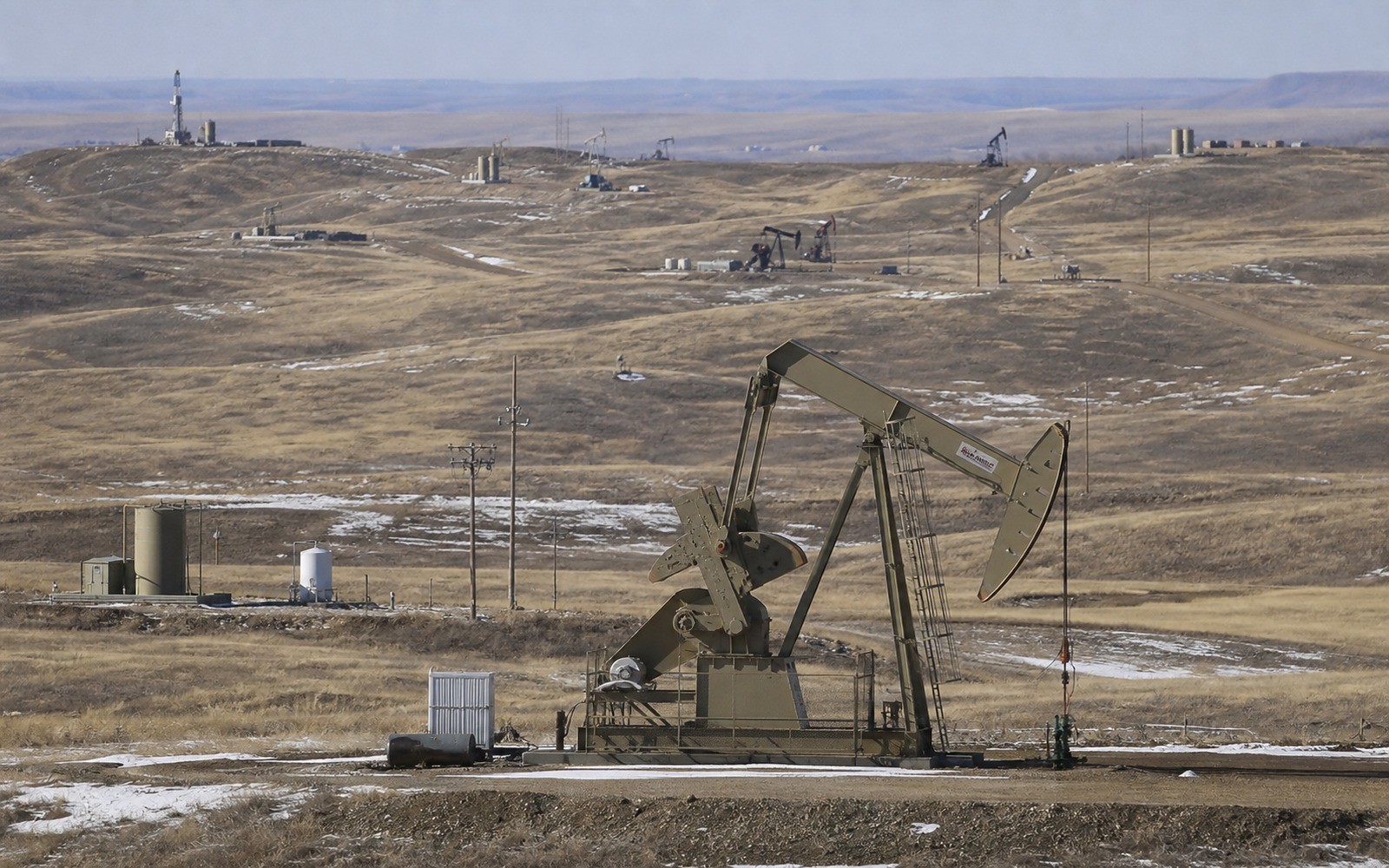
Bakken Mineral Rights
The Bakken draws serious institutional money, which means the buyer sitting across from you is more likely to be a fund with a spreadsheet than a stranger with a checkbook.
The Bakken and Three Forks formations under the Williston Basin in North Dakota and Montana have supported a mature, well-capitalized horizontal drilling program for over fifteen years, and Mountrail, McKenzie, Williams, and Dunn counties still see active permitting from operators running multi-well pads. Because the play is well understood and heavily comped, the buyer pool skews institutional: producing-royalty funds, PDP-focused acquisition desks, and a shrinking number of individual investors trying to compete against them.
That level of buyer sophistication cuts both ways for a seller. Pricing tends to be more consistent and better-modeled than in thinner basins, but it also means a seller who doesn't do basic homework is negotiating against someone who runs decline curves for a living.
PDP Funds Are the Dominant Buyer Type
Producing developed property funds buy Bakken royalty interests specifically because the wells have enough production history to model with confidence. These buyers price off actual monthly volumes, apply a basin-specific decline curve, and typically hold rather than flip. If you're talking to a PDP fund, expect a detailed offer that references your well's actual production and a defined hold period, not a vague round number.
The tradeoff is that PDP funds are disciplined on price. They won't chase a bidding war the way a flip-focused buyer might, so if you want top-of-market pricing you generally need more than one PDP offer to compare.
Fast-Flip Aggregators Behave Differently
A second buyer type moves quickly, offers a number close to what a fund might pay, and plans to resell the position into a larger package within months. There's nothing inherently wrong with this model, but the vetting checklist changes: ask directly whether they intend to hold or resell, and don't let a compressed timeline pressure you into skipping your own diligence.
Because the Bakken has enough transaction volume for comps to exist, you can and should ask a flip-oriented buyer how their number compares to recent nearby transactions rather than only their own internal model.
What Undeveloped Bakken Acreage Requires Differently
If your interest sits in an undeveloped or partially developed spacing unit, decline history alone won't tell you much. Ask any buyer how they're weighting permit activity, rig count in the county, and offset well results from the last twelve to eighteen months. A buyer who can't speak to current North Dakota Industrial Commission permitting data for your township is pricing off stale assumptions.
Checklist Before You Sign a Bakken Offer
Confirm the buyer can name your well or unit by name and section, ask whether their price reflects a hold or a resale plan, request at least a rough decline assumption in writing, and compare against a second offer if your interest is meaningfully producing. In a basin this well-tracked, getting a second opinion costs you almost nothing and routinely moves the number.
Non-Operated Working Interests Complicate the Picture
Some Bakken owners hold a small non-operated working interest alongside their royalty, inherited from older participation elections on early spacing units. A working interest carries its own share of drilling and operating costs, so it prices differently than a pure royalty stream, and a buyer should separate the two clearly rather than folding them into one blended number.
If you're unsure whether you hold a royalty, a working interest, or both, your division order and any joint operating agreement paperwork from the well's original completion should settle it before you negotiate.
Questions to Put Back to the Buyer
Why do Bakken mineral buyers seem more sophisticated than in other basins?
The play has over a decade of dense horizontal drilling history, so buyers have enough data to build detailed decline models rather than relying on rough comps, which shapes how disciplined their offers tend to be.
What's the difference between a PDP fund and a flip buyer?
A PDP fund typically intends to hold the producing royalty long-term and prices conservatively off actual decline data. A flip buyer often plans to resell into a larger package quickly and may move faster on timeline.
Should I get more than one offer on Bakken minerals?
Generally yes, especially on producing interests. Because comps exist and multiple buyer types compete in this basin, a second offer is a reasonable way to check whether the first number reflects current market activity.
How does undeveloped Bakken acreage get priced differently?
Without production history, pricing depends on permit activity, rig presence, and recent offset well results in your township, which is why a buyer should be able to speak to current drilling activity rather than relying on old comps alone.
Where can I check well and permit data myself?
The North Dakota Industrial Commission's oil and gas division publishes well records, permits, and production data by unit, which is a useful way to check a buyer's claims before accepting an offer.
Do I have a royalty interest or a working interest in my Bakken well?
Check your division order and any original joint operating agreement paperwork. A working interest shares in drilling and operating costs and prices differently than a pure royalty, so the two should never be quoted as one blended number.
Related buyer guides
Want this buyer question read against your own deed, statements, or offer?
Tell us where the interest is, whether it is producing, which operator or wells appear on the statements, what documents you have, and whether an offer is already on the table.