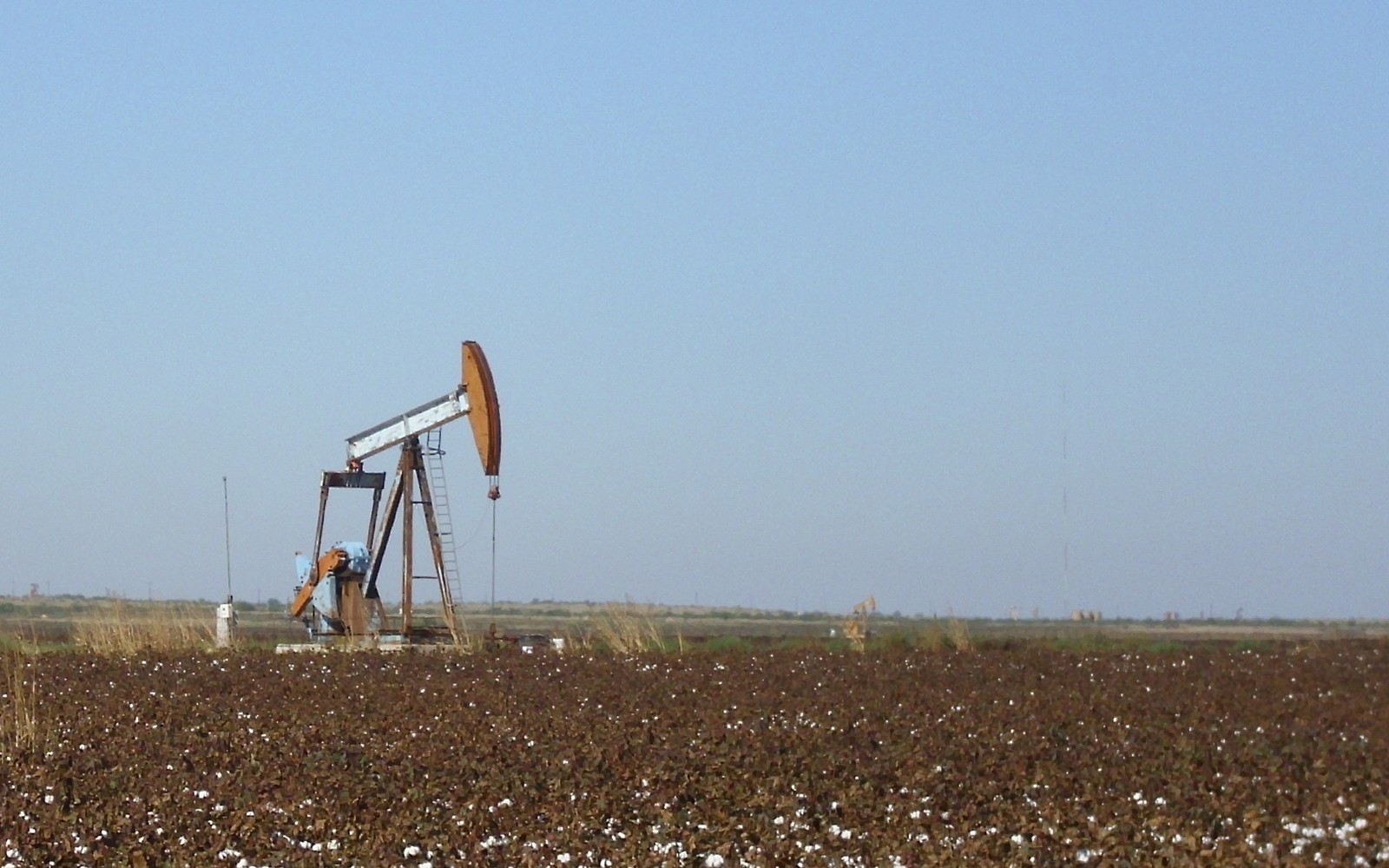
Eagle Ford Shale Mineral Rights
The Eagle Ford runs from oil to dry gas across a few counties, and a buyer who quotes one number for the whole trend hasn't looked at your window.
The Eagle Ford Shale in south Texas stretches in a band roughly from the Mexican border through La Salle, Karnes, Dimmit, Webb, and Gonzales counties, and it isn't uniform along that run. The updip northwest side produces mostly oil, the middle transitions through a condensate-rich window, and the downdip southeast side is predominantly dry gas. Two tracts twenty miles apart can have completely different production profiles, decline behavior, and pricing logic.
This basin was also one of the earlier mature shale plays, meaning much of its core development happened over a decade ago, so current activity is a mix of refracs, infill wells, and continued production decline rather than a fresh drilling wave.
Know Your Window Before You Trust a Comp
A buyer quoting Eagle Ford pricing off oil-window comps from Karnes County while your interest sits in the dry gas window near the coast is not giving you a usable number. Ask directly which window they believe your tract falls in and what evidence they're using, whether that's your own division order history or nearby well data from the Texas Railroad Commission.
Condensate-window acreage in the middle of the trend can be especially tricky to price, since it blends oil and gas revenue in proportions that shift well by well.
Maturity Means Decline History Is Long and Usable
Because so much of the Eagle Ford was drilled ten to fifteen years ago, most producing interests here have enough production history for a buyer to build a real decline model rather than guessing off a type curve. That's an advantage for sellers: ask any buyer to show you the trailing production they're using, and be skeptical of an offer that leans on generic basin averages instead of your well's actual history.
Refracs and Infill Wells Change the Picture
Some operators have gone back into mature Eagle Ford units with refracturing programs or added infill wells between original laterals, which can extend the productive life of a unit beyond what a simple decline curve from the original completion would suggest. Ask whether the buyer's model accounts for any refrac or infill activity on your specific unit, since ignoring it usually means undervaluing the interest.
A Practical Checklist by Window
For oil-window acreage, confirm the buyer is using recent oil price assumptions rather than a stale benchmark. For condensate-window acreage, ask how they're splitting oil and gas revenue in their model. For dry gas acreage, treat it like a gas play and check pricing against current Henry Hub and regional basis, not oil market conditions. In every case, verify well and lease data against Texas Railroad Commission records before signing.
Why Trend-Wide Averages Mislead Sellers
It's common to see Eagle Ford pricing discussed in trend-wide averages online or in casual comps between neighbors, but a single average across a play that spans an oil window, a condensate window, and a dry gas window will mislead almost everyone who relies on it. A tract producing strong oil volumes in Karnes County and a tract producing lean dry gas near the coast can carry very different values despite sitting in the same broadly named shale play.
If a buyer opens a conversation with a general Eagle Ford number before asking about your specific county and product mix, treat that as an opening position rather than a serious offer.
Questions to Put Back to the Buyer
Why does Eagle Ford pricing vary so much by location?
The play runs from an oil window in the northwest through a condensate window to a dry gas window in the southeast, and each produces a different revenue mix, so pricing has to match your tract's actual window, not a trend-wide average.
Is the Eagle Ford still being actively drilled?
Core development largely happened over a decade ago, and current activity is more often refracturing existing wells or infill drilling between original laterals rather than expanding into new acreage.
How do I find out which window my Eagle Ford interest is in?
Check your division order statements for oil-to-gas revenue ratios and cross-reference your well location against Texas Railroad Commission production records, which will show the actual product mix your well is producing.
Do refracs affect what my mineral interest is worth?
They can. A refracturing program or added infill wells on your unit may extend productive life beyond what the original completion's decline curve would suggest, so ask a buyer whether their model accounts for that activity.
Should I trust a trend-wide Eagle Ford price quote?
Not without confirming your specific county and product window first. A single average across the entire play blends very different oil, condensate, and dry gas economics, so an opening quote before that conversation should be treated as a starting point, not a final number.
Is condensate-window Eagle Ford acreage harder to price than oil or gas?
It can be, since the revenue mix between oil and gas shifts well by well in that middle transition zone. Ask a buyer to walk through how they're splitting the two revenue streams in their model rather than accepting a single blended figure.
Related buyer guides
Want this buyer question read against your own deed, statements, or offer?
Tell us where the interest is, whether it is producing, which operator or wells appear on the statements, what documents you have, and whether an offer is already on the table.