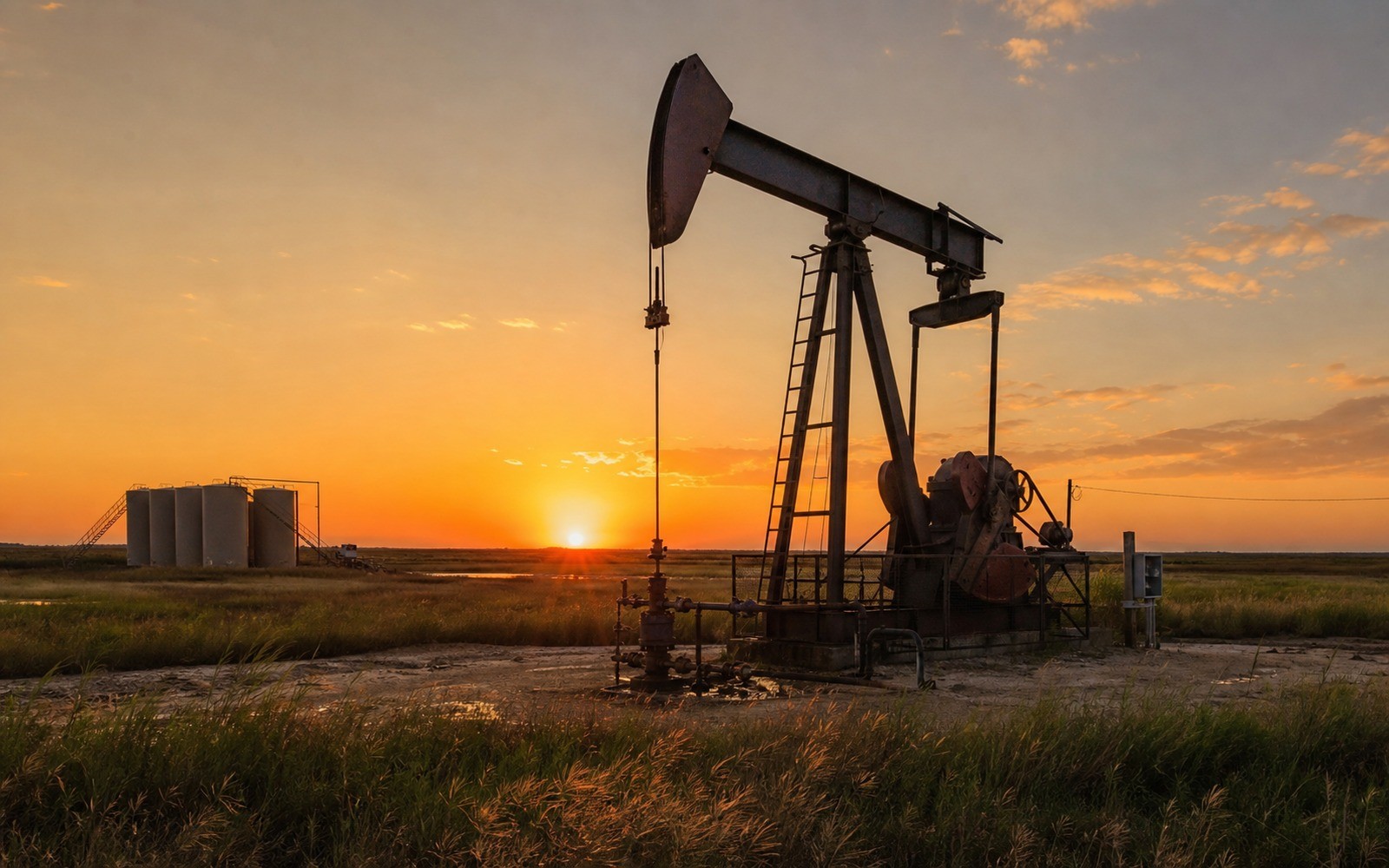
Delaware Basin Mineral Rights
The Delaware side of the Permian is deeper, more overpressured, and more competitive than most sellers realize when the first offer lands.
The Delaware Basin, the western sub-basin of the greater Permian in far west Texas and southeast New Mexico, has become one of the most heavily targeted mineral acquisition markets in the country. Reeves, Loving, Culberson, Ward, and Winkler counties on the Texas side, and Eddy and Lea counties in New Mexico, have seen dense horizontal development across multiple stacked benches, including the Wolfcamp and Bone Spring, drilled by major operators. That intensity draws a correspondingly crowded buyer market.
With that much competition for acreage, the vetting problem here isn't finding a buyer, it's filtering between disciplined institutional pricing and volume-driven lowball outreach that relies on sellers not comparing offers.
Why the Delaware Sees So Much Buyer Volume
Because multiple stacked formations can be developed independently on the same acreage, a single Delaware Basin section can support several distinct drilling programs over many years, which makes the underlying royalty stream attractive to buyers looking for multi-bench upside. That appeal has pulled in everyone from large public royalty companies to small outreach shops that mail or call sellers directly, betting that most people accept the first number they see.
Your job as a seller isn't to guess which category a given buyer falls into. It's to make every buyer show their work.
What Separates a Disciplined Offer From a Volume Play
A disciplined buyer references the specific bench, well, or unit your interest sits in, can speak to recent offset completions, and explains their pricing logic even briefly. A volume-outreach buyer typically sends a flat offer based on acreage alone, without referencing your specific production history or nearby permitting, betting that most recipients won't ask questions.
Given how much comparable transaction data exists in this basin, there's rarely a good reason to accept a first offer without at least one comparison point, whether that's a second bid or public record of nearby sales.
Multi-Bench Development Complicates Simple Pricing
Because the Wolfcamp alone can carry multiple distinct benches worth developing separately, and Bone Spring sits above it, ask a buyer directly which benches their offer accounts for. An offer priced only against current Wolfcamp A production while ignoring undeveloped Wolfcamp B or C potential on the same tract may undervalue your interest meaningfully.
A Practical Checklist for Delaware Basin Sellers
Ask for the specific wells, API numbers, and benches the offer covers, request a written decline or type-curve assumption, check Texas Railroad Commission or New Mexico Oil Conservation Division records against what the buyer tells you, and get a second opinion before signing anything on producing acreage in an active development area. In a basin this competitive, taking a week to compare offers rarely costs you the deal.
Depth and Pressure Drive Different Cost Assumptions
Delaware Basin wells run considerably deeper and encounter significantly higher pressures than most other Permian acreage, which raises drilling costs and shapes how operators sequence development across a section. A buyer who understands the basin should be able to explain how depth and pressure at your specific location affect both current well economics and the pace at which remaining benches are likely to be developed.
This is also why comps from the shallower Midland Basin to the east don't transfer cleanly. If a buyer's pricing references Midland-side transactions without adjusting for the cost and pressure differences here, ask them to explain the adjustment they're making.
Questions to Put Back to the Buyer
Why do I get so many unsolicited offers on Delaware Basin minerals?
The basin's dense, multi-bench development makes royalty interests attractive to a wide range of buyers, from institutional acquirers to volume-outreach shops, which is why sellers here typically receive more inbound offers than in quieter basins.
How do I know if an offer accounts for multiple benches?
Ask directly which formations and benches, such as Wolfcamp A, B, or C, and Bone Spring, the offer is based on. A buyer who can't answer specifically may be pricing off incomplete information.
Should I get multiple offers before selling in this basin?
Generally yes. Because comparable transaction data is more available here than in most basins, a second or third offer is a reasonable way to check whether the first number reflects current market activity.
How can I verify a buyer's well and permit claims?
The Texas Railroad Commission and New Mexico Oil Conservation Division both publish well, permit, and production records you can check against a buyer's stated wells and API numbers before accepting an offer.
Why don't Midland Basin comps apply to my Delaware Basin interest?
Delaware Basin wells are generally deeper and higher-pressure than Midland Basin wells, which raises drilling costs and changes development pace, so pricing based on Midland-side comps without adjustment usually doesn't reflect your acreage accurately.
How much does a buyer's outreach volume matter to my negotiation?
It matters quite a bit. High buyer volume in this basin means you have real leverage to compare offers, so treat an unsolicited first quote as a starting point and use the depth of the buyer pool here to your advantage before settling on a price.
Related buyer guides
Want this buyer question read against your own deed, statements, or offer?
Tell us where the interest is, whether it is producing, which operator or wells appear on the statements, what documents you have, and whether an offer is already on the table.